The Telecoms Charter: Uniting the UK Against Phone Fraud

Phone scams have become a daily nuisance and a serious threat to personal security in the UK, with fraudsters often impersonating trusted organizations to trick unsuspecting victims. The Telecoms Charter, a bold initiative uniting the UK government, law enforcement, and major mobile carriers like BT EE, Virgin Media O2, Vodafone, Three, Tesco Mobile, TalkTalk, and Sky, is taking direct aim at this problem. By mandating network upgrades to block spoofed phone numbers and requiring carriers to work together, the Charter is setting a new standard for fraud prevention. These efforts are not just about technology—they’re about restoring public trust and making it much harder for scammers to operate. The Charter also introduces advanced call tracing, improved data sharing with police, and faster support for scam victims, all of which are designed to create a safer telecommunications environment for everyone (Bleeping Computer).
The Telecoms Charter: A United Front Against Phone Fraud
Collaborative Efforts in the Telecoms Charter
The Telecoms Charter represents a groundbreaking collaboration between the UK government, law enforcement agencies, and major mobile carriers, including BT EE, Virgin Media O2, Vodafone, Three, Tesco Mobile, TalkTalk, and Sky. This initiative aims to combat the pervasive issue of phone fraud by blocking spoofed phone numbers. The Charter is a comprehensive agreement that emphasizes the importance of cooperation and shared responsibility in tackling fraud. It mandates that carriers upgrade their networks to prevent scammers from impersonating trusted organizations such as banks and government agencies. This collaborative effort is expected to significantly reduce the incidence of phone fraud across the UK. (Bleeping Computer)
Technological Advancements and Network Upgrades
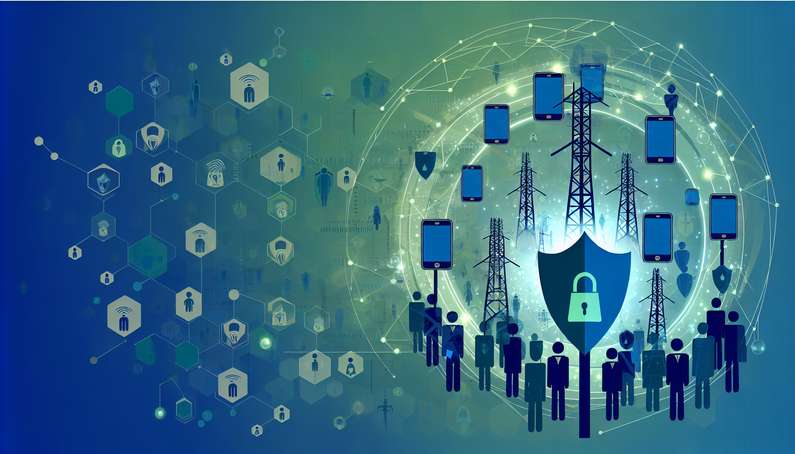
A key component of the Telecoms Charter is the technological upgrade of mobile networks to block spoofed phone numbers. This involves the implementation of advanced call tracing technology, which will enable law enforcement agencies to track and dismantle scam operations more effectively. The network upgrades will also include mechanisms to indicate when calls originate from abroad, thereby preventing fraudsters from spoofing UK numbers to appear local and trustworthy. These technological advancements are crucial in stripping away the tools that scammers use to deceive the public. (Bleeping Computer)
Data Sharing and Intelligence Gathering
The Telecoms Charter also emphasizes the importance of data sharing and intelligence gathering in the fight against phone fraud. By boosting data sharing with the police, mobile networks can provide valuable insights into scam activities and help identify the networks that allow scam calls to slip through the net. This increased transparency will empower customers and make it more difficult for scams to go undetected. The Charter’s commitment to data sharing is a critical step in creating a more secure telecommunications environment in the UK. (Bleeping Computer)
Support and Assistance for Scam Victims
In addition to preventing phone fraud, the Telecoms Charter also focuses on improving support and assistance for scam victims. The signatories have committed to reducing response times for fraud assistance to two weeks and establishing measurable goals for prompt support. This commitment is crucial in helping victims recover from the financial and emotional impact of scams. By providing timely and effective support, the Charter aims to mitigate the harm caused by phone fraud and restore public trust in telecommunications services. (Bleeping Computer)
Impact and Future Prospects
The implementation of the Telecoms Charter is expected to have a significant impact on reducing phone fraud in the UK. By blocking spoofed phone numbers and enhancing data sharing, the Charter will make it more difficult for scammers to operate and deceive the public. The collaborative efforts of the government, law enforcement, and mobile carriers will create a more secure telecommunications environment and protect consumers from fraudulent activities. As the Charter is fully implemented, it is anticipated that the UK will become one of the hardest places in the world for scammers to operate. (Bleeping Computer)
Final Thoughts
The Telecoms Charter marks a significant leap forward in the fight against phone fraud in the UK. By combining technological innovation, cross-industry collaboration, and a commitment to supporting scam victims, the Charter is poised to make the UK one of the toughest places in the world for phone scammers. As these measures roll out, consumers can expect fewer fraudulent calls and more robust support if they do fall victim. The Charter’s holistic approach—blocking spoofed numbers, sharing intelligence, and prioritizing victim assistance—sets a powerful example for other countries grappling with similar threats. For anyone tired of dodging scam calls, this initiative offers a welcome dose of optimism (Bleeping Computer).
References
- Bleeping Computer. (2024). UK carriers to block spoofed phone numbers in fraud crackdown. https://www.bleepingcomputer.com/news/security/uk-carriers-to-block-spoofed-phone-numbers-in-fraud-crackdown/