How Virtual Kidnapping Scams Exploit Social Media and Image Manipulation

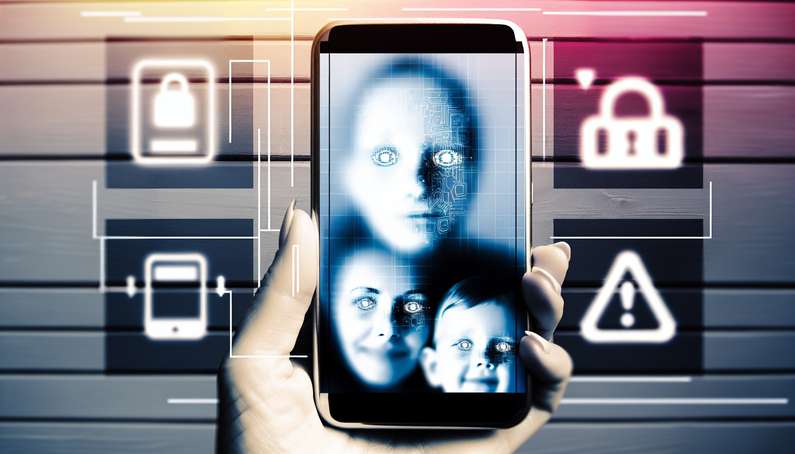
A single photo posted online can become the linchpin in a high-stakes scam. The FBI has sounded the alarm on a disturbing trend: criminals are harvesting publicly shared social media images, manipulating them with advanced digital tools, and using the results to stage convincing virtual kidnapping scams. These scams don’t require physical abduction—instead, they rely on emotional manipulation, sending altered photos or videos to families as “proof” that a loved one is in danger, and demanding ransom for their safe return. The ease with which scammers can access and weaponize personal images is amplified by lax privacy settings and the viral nature of platforms like Facebook, Instagram, and TikTok. With AI-powered face swaps and disappearing messages, even tech-savvy users can be caught off guard (BleepingComputer). This analysis unpacks the mechanics of these scams, the psychological tactics at play, and the critical steps everyone should take to protect themselves and their families.
How Virtual Kidnapping Scams Exploit Social Media and Image Manipulation
Harvesting Publicly Shared Images for Criminal Use
Criminals orchestrating virtual kidnapping scams increasingly rely on social media platforms as a primary resource for sourcing images and personal information. Publicly available photos—often posted by users themselves or their family members—are systematically harvested to construct a believable narrative for their fraudulent activities. These images, ranging from casual selfies to family gatherings, are readily accessible on platforms such as Facebook, Instagram, and TikTok, especially when users’ privacy settings are lax or content is shared publicly.
Scammers use automated tools and manual searches to collect these images, focusing on photos that clearly identify individuals and their relationships. Once obtained, these images serve as raw material for manipulation, enabling perpetrators to fabricate “proof of life” photos or videos that appear authentic to the victim. The FBI has emphasized that such tactics are central to the success of virtual kidnapping scams, as they exploit the emotional vulnerability of targets by presenting seemingly irrefutable evidence of a loved one’s peril (BleepingComputer).
The scale of this exploitation is difficult to quantify, but anecdotal evidence and multiple reported cases indicate that the practice is widespread and growing. The lack of robust privacy controls and the prevalence of oversharing on social media platforms make it increasingly easy for criminals to access and weaponize personal images.
Techniques of Digital Image Manipulation in Scam Operations
Once images are obtained, scammers employ a variety of digital manipulation techniques to create convincing fake scenarios. These methods range from basic photo editing—such as cropping, blurring, or adding text overlays—to more sophisticated alterations using artificial intelligence and deepfake technology. The goal is to produce “proof of life” images or videos that can be sent to victims as evidence of a supposed kidnapping.
Common manipulations include:
- Face Swapping: Using AI-powered tools to superimpose the victim’s face onto another body or background, creating the illusion of captivity.
- Image Distortion: Blurring or pixelating parts of the image to obscure details and make verification difficult.
- Timed Messaging: Sending manipulated images through platforms that allow messages to disappear after a short period, limiting the victim’s ability to scrutinize the content (BleepingComputer).
- Audio Manipulation: In some cases, scammers use voice synthesis or audio editing to simulate distress calls from the alleged victim, further enhancing the credibility of their claims.
These techniques are designed to create a sense of urgency and authenticity, making it difficult for recipients to distinguish between real and fabricated evidence. The increasing accessibility of advanced image and audio manipulation tools has lowered the barrier for entry, enabling even low-skilled actors to execute convincing scams.
Exploiting Emotional Triggers and Social Engineering
The psychological impact of receiving a manipulated image or video cannot be overstated. Scammers deliberately exploit emotional triggers by presenting images that appear to show loved ones in distress, often accompanied by threats of violence or harm if ransom demands are not met. This tactic leverages the natural fear and anxiety experienced by individuals when confronted with the possibility of harm to their family members.
Social engineering plays a crucial role in these schemes. Criminals often conduct preliminary research using information gleaned from social media profiles—such as names, relationships, locations, and recent activities—to personalize their approach. By referencing specific details that only a close acquaintance would know, scammers increase the perceived legitimacy of their claims.
The immediacy of digital communication channels, such as text messages and encrypted messaging apps, allows perpetrators to maintain pressure on victims, discouraging them from seeking verification or contacting authorities. The FBI has noted that this sense of urgency is a hallmark of virtual kidnapping scams, as it compels victims to act quickly and irrationally (BleepingComputer).
The Role of Social Media Platform Features in Scam Proliferation
Certain features inherent to social media platforms inadvertently facilitate the proliferation of virtual kidnapping scams. Public sharing settings, location tagging, and the integration of third-party applications can all contribute to the exposure of sensitive information. For example:
- Public Profiles: Users who do not restrict their privacy settings may unwittingly expose their entire photo library and personal details to anyone on the internet.
- Location Data: Geotagged posts reveal the real-time whereabouts of individuals, enabling scammers to tailor their narratives with alarming specificity.
- Story and Disappearing Message Functions: Features that allow for temporary sharing of photos or videos (such as Instagram Stories or Snapchat) can be exploited by scammers to send manipulated images that disappear before victims can analyze them thoroughly.
Additionally, the viral nature of social media means that once an image is posted, it can be rapidly disseminated, copied, and repurposed by malicious actors. Even deleted content may persist in cached forms or on third-party servers, remaining accessible long after the user believes it has been removed.
Platform operators face significant challenges in policing the misuse of images and personal data, as the sheer volume of content and the sophistication of manipulation techniques outpace current detection and moderation capabilities.
Preventive Measures and the Importance of Digital Literacy
While law enforcement agencies such as the FBI continue to issue public warnings and advisories, the onus of prevention often falls on individual users. Digital literacy and proactive privacy management are critical in reducing the risk of falling victim to these scams.
Key preventive strategies include:
- Restricting Profile Visibility: Regularly reviewing and adjusting privacy settings to limit access to personal photos and information.
- Selective Sharing: Avoiding the publication of sensitive images, especially those that could be used to identify or locate family members.
- Verification Protocols: Establishing family code words or other verification methods to confirm the authenticity of emergency communications, as recommended by the FBI (BleepingComputer).
- Awareness Training: Educating family members, particularly children and elderly relatives, about the risks associated with oversharing online and the tactics employed by scammers.
- Monitoring for Impersonation: Regularly searching for unauthorized use of personal images or profiles, and reporting suspicious activity to platform operators and law enforcement.
The FBI also advises users to document any suspicious communications, including screenshots or recordings of manipulated images, as these can be valuable for investigative purposes. However, the transient nature of some messaging platforms—where images may disappear after a set time—poses an additional challenge for evidence collection.
Ultimately, the combination of technical safeguards, informed user behavior, and ongoing vigilance is essential to countering the evolving threat posed by virtual kidnapping scams that exploit social media and image manipulation. The dynamic interplay between technological innovation and criminal adaptation underscores the need for continuous education and awareness in the digital age.
Final Thoughts
Virtual kidnapping scams are a chilling reminder of how digital footprints can be exploited in unexpected—and deeply personal—ways. As scammers become more sophisticated, leveraging AI and social engineering to create convincing fake evidence, the responsibility to safeguard personal information grows ever more urgent. Simple steps like tightening privacy settings, educating family members, and establishing verification protocols can make a world of difference. Staying informed and vigilant is the best defense against these evolving threats (BleepingComputer). By combining digital literacy with practical security habits, individuals can help turn the tide against this unsettling form of cybercrime.
References
- FBI warns of virtual kidnapping ransom scams using altered social media photos. (2024). BleepingComputer. https://www.bleepingcomputer.com/news/security/fbi-warns-of-virtual-kidnapping-ransom-scams-using-altered-social-media-photos/