The Security Advantages of Passkeys: A 2025 Perspective

Picture this: a world where phishing emails and password leaks are relics of the past, and logging in is as simple as a fingerprint or a glance. Passkeys are making that vision a reality, leveraging public key cryptography to sidestep the pitfalls of traditional passwords. Unlike passwords, which can be stolen, guessed, or reused across sites, passkeys keep your private authentication key locked away on your device—never transmitted, never stored on a server, and never vulnerable to the usual suspects like credential stuffing or brute force attacks (Bleeping Computer).
The numbers speak volumes: Microsoft’s shift to passkeys has boosted login success rates to a whopping 98%, compared to just 32% for passwords. Meanwhile, companies like Aflac have seen password recovery requests drop by nearly a third after adopting passkeys (Bleeping Computer). With support from industry standards like FIDO and seamless integration across devices, passkeys are not just a security upgrade—they’re a usability revolution. But as with any new technology, the journey from passwords to passkeys comes with its own set of challenges, from user education to legacy system compatibility (ECCU).
Security Advantages of Passkeys
Elimination of Common Attack Vectors
Passkeys offer a significant security advantage by eliminating common attack vectors such as phishing and credential stuffing. Unlike traditional passwords, passkeys utilize public key cryptography, which means that the private key used for authentication never leaves the user’s device. This design inherently protects against phishing attacks, as there are no credentials to be intercepted or tricked out of users. Similarly, credential stuffing attacks, which rely on the reuse of passwords across multiple sites, become ineffective because each passkey is unique to the specific site or application. This unique approach ensures that even if a database is breached, attackers cannot exploit the public keys without the corresponding private keys stored securely on user devices. (Bleeping Computer)
Resistance to Brute Force and Dictionary Attacks
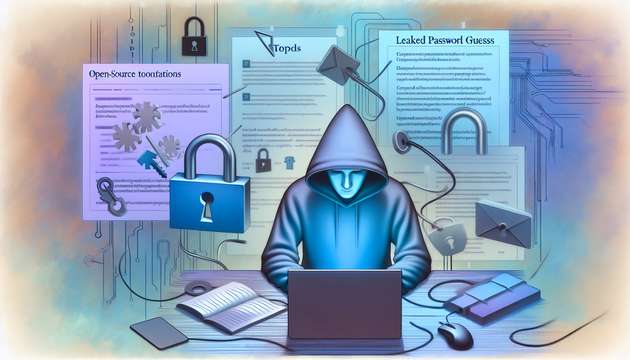
Passkeys are inherently resistant to brute force and dictionary attacks, which are common methods used to crack passwords. Traditional passwords, especially weak or commonly used ones, can be easily guessed or cracked using automated tools. In contrast, passkeys are cryptographic keys that are not user-generated strings of characters, making them nearly impossible to guess or crack through brute force methods. This resistance is due to the complex nature of cryptographic keys, which are significantly longer and more complex than typical passwords, providing a robust defense against these types of attacks. (ECCU)
Enhanced Protection Against Data Breaches
One of the most compelling security advantages of passkeys is their ability to protect against data breaches. When a company’s database is breached, attackers typically gain access to stored passwords, which can then be used to access user accounts. However, with passkeys, only the public keys are stored on the server, rendering them useless to attackers without the corresponding private keys. This means that even if a database is compromised, user accounts remain secure because the private keys never leave the user’s device. This design significantly reduces the risk of unauthorized access and enhances overall data security. (Bleeping Computer)
Simplified User Authentication
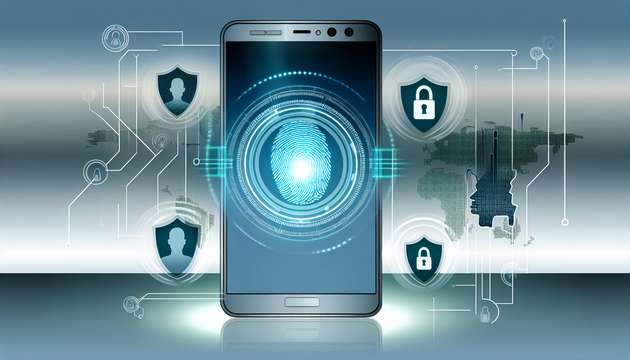
Passkeys not only enhance security but also simplify the user authentication process. Traditional password systems require users to remember complex strings of characters, which can lead to weak password choices and increased vulnerability to attacks. In contrast, passkeys rely on device-based authentication methods such as biometrics (fingerprint or face recognition) or hardware security keys, which are both more secure and user-friendly. This approach reduces the cognitive load on users, leading to fewer mistakes and a smoother authentication experience. Additionally, the use of biometrics adds an extra layer of security, as these identifiers are unique to each individual and difficult to replicate or steal. (ECCU)
Cross-Platform and Device Compatibility
Passkeys are designed to work seamlessly across different platforms and devices, providing a consistent and secure authentication experience. This cross-platform compatibility is achieved through industry-backed standards, such as those developed by the FIDO Alliance, which ensure that passkeys can be used on various devices, including laptops, smartphones, and tablets. This interoperability not only enhances user convenience but also strengthens security by allowing users to authenticate securely regardless of the device they are using. As more companies adopt passkeys, this compatibility will become increasingly important in facilitating widespread adoption and ensuring a secure digital ecosystem. (Bleeping Computer)
Reduced Phishing Risks
Phishing attacks, which trick users into revealing their credentials, are a major threat to password-based systems. Passkeys mitigate this risk by eliminating the need for users to manually enter credentials. Since passkeys are not entered as text, phishing attacks that rely on capturing typed credentials become ineffective. This is a significant advantage, as phishing remains one of the most common and successful attack vectors. By removing the opportunity for users to be deceived into providing their credentials, passkeys offer a robust defense against this pervasive threat. (ECCU)
Increased Adoption and Success Rates
The adoption of passkeys by major companies highlights their effectiveness and security advantages. For example, Microsoft has implemented a “passwordless by default” policy for new accounts, allowing users to authenticate using passkeys instead of traditional passwords. This shift has resulted in a 98% login success rate with passkeys, compared to just 32% for passwords. Similarly, Aflac, a leading US insurance provider, has reported a 32% drop in password recovery requests after adopting passkeys. These statistics demonstrate the practical benefits of passkeys in reducing authentication-related issues and improving security outcomes. (Bleeping Computer)
User Education and Awareness
While passkeys offer numerous security advantages, their effectiveness also depends on user education and awareness. As passkeys are a relatively new technology, many users may not be familiar with how they work or their benefits. To ensure successful adoption, organizations must invest in robust onboarding and communication strategies to educate users about the advantages of passkeys and how to use them effectively. This education is crucial in overcoming potential barriers to adoption and ensuring that users can fully leverage the security benefits of passkeys. (Bleeping Computer)
Future Outlook and Transition Challenges
While passkeys are poised to replace traditional passwords in many scenarios, there are still challenges to overcome during the transition period. Legacy systems that are not compatible with passkey technology may require hybrid models where both passkeys and passwords are used. Additionally, the initial cost of implementing passkey support, including infrastructure changes and user training, may be a barrier for some organizations. Despite these challenges, the security advantages of passkeys make them a promising solution for enhancing digital security in the future. (Bleeping Computer)
Final Thoughts
Passkeys are rapidly redefining what secure authentication looks like in 2025. By eliminating the most common attack vectors—phishing, credential stuffing, and brute force attacks—they offer a robust defense that’s both user-friendly and future-proof (Bleeping Computer). The real-world impact is already visible: higher login success rates, fewer password resets, and a dramatic reduction in successful cyberattacks.
However, the transition isn’t without hurdles. Organizations must invest in user education and infrastructure upgrades, and hybrid models may be necessary during the shift from passwords to passkeys (ECCU). As AI-driven threats and IoT devices continue to reshape the cybersecurity landscape, passkeys stand out as a promising solution—one that’s ready to meet the challenges of a connected, digital-first world.
References
- Bleeping Computer. (2024). How secure are passkeys, really? Here’s what you need to know. https://www.bleepingcomputer.com/news/security/how-secure-are-passkeys-really-heres-what-you-need-to-know/
- ECCU. (2025). Password vs. passkey: The future of passkey authentication in 2025. https://www.eccu.edu/blog/password-vs-passkey-the-future-of-passkey-authentication-in-2025/