
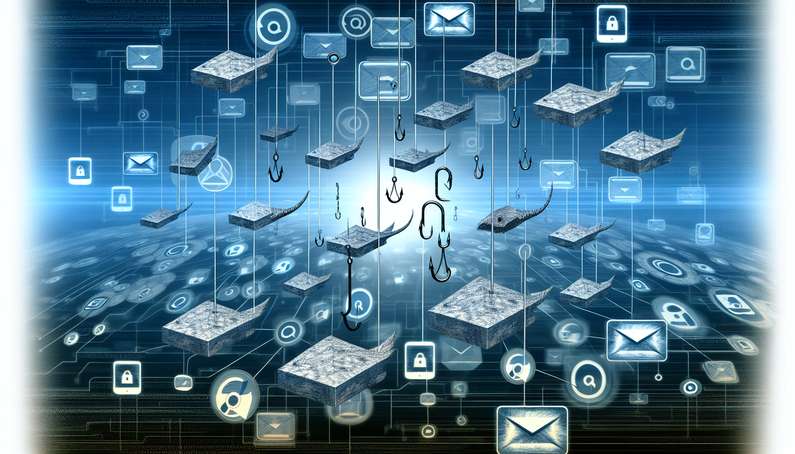
The Evolution of Phishing: From Email to Multi-Channel Threats

Phishing has outgrown its email roots, morphing into a multi-headed threat that now lurks across social media, instant messaging, SMS, and even search engine ads. Attackers are capitalizing on the fragmented nature of modern communication, targeting users where they’re least protected and most distracted. Platforms like LinkedIn have become hunting grounds for sophisticated scams, with cybercriminals leveraging trusted brands and legitimate-looking pages to lure even the savviest professionals into their traps (BleepingComputer).
Unlike email, where security teams can deploy robust filters and detection tools, these new channels often lack comprehensive defenses. The result? A game of digital whack-a-mole, where attackers rotate domains and obfuscate their code faster than traditional security tools can keep up. As phishing kits grow more advanced, organizations are forced to rethink their strategies, blending technology, user education, and cross-platform monitoring to stay one step ahead.
The Shift from Email to Multi-Channel Phishing
Expansion of Phishing Channels
Phishing attacks have evolved significantly, moving beyond traditional email-based methods to exploit a variety of communication channels. Attackers are increasingly utilizing platforms such as social media, instant messaging apps, SMS, and even malicious ads on search engines to deliver phishing links. This shift is driven by the changing landscape of digital communication, where employees are more accessible through decentralized internet apps and varied channels beyond email (BleepingComputer).
The move to multi-channel phishing is partly due to the increased difficulty in securing these diverse platforms compared to email. Each channel presents unique challenges for security teams, as traditional email security measures are not applicable. For instance, while email systems can be equipped with advanced filtering and detection tools, platforms like social media and instant messaging lack such comprehensive security measures, making them attractive targets for attackers.
Challenges in Detecting Non-Email Phishing
Detecting phishing attacks outside of email is inherently more challenging. Unlike email, where security solutions can scan for malicious content, non-email platforms often do not provide the same level of visibility or control. For example, in social media or instant messaging apps, it is difficult to track the dissemination of phishing links once they are sent. This lack of visibility makes it harder for organizations to identify and respond to threats promptly (BleepingComputer).
Moreover, attackers use sophisticated techniques to evade detection. Modern phishing kits employ obfuscation methods such as DOM, Page, and Code obfuscation, which make it challenging for security tools to analyze and detect malicious activities. These techniques result in a garbled mess of code that is difficult to interpret, further complicating detection efforts (BleepingComputer).
Case Studies of Multi-Channel Phishing
A notable example of multi-channel phishing is the LinkedIn spear-phishing campaign targeting tech company executives. In this campaign, attackers compromised LinkedIn accounts to send direct messages about fake investment opportunities. The victims were led through a series of legitimate-looking pages hosted on well-known platforms like Google Sites and Microsoft Dynamics before reaching a phishing page designed to steal their credentials (BleepingComputer).
This case highlights the effectiveness of using trusted platforms to host phishing content, as it helps attackers evade detection by traditional security measures. By leveraging legitimate sites, attackers can create a false sense of security for their victims, increasing the likelihood of a successful attack.
Implications for Security Teams
The shift to multi-channel phishing has significant implications for security teams. Traditional email-focused security strategies are no longer sufficient to protect against these diverse threats. Organizations must adopt a more holistic approach to security, incorporating tools and techniques that can monitor and analyze activities across all potential phishing channels (BleepingComputer).
One of the key challenges is the rapid rotation of phishing domains. Attackers frequently change the domains they use, making it difficult for security teams to block them effectively. By the time a domain is identified and blocked, new ones have already been established. This requires security teams to be more proactive and adaptive in their approach, utilizing threat intelligence and machine learning to predict and respond to new threats quickly.
Strategies for Mitigating Multi-Channel Phishing
To mitigate the risks associated with multi-channel phishing, organizations must implement comprehensive security strategies that go beyond traditional email security measures. This includes deploying web proxies that can analyze network traffic and detect malicious activities across various platforms. However, as modern phishing kits become more sophisticated, these proxies must be equipped with advanced capabilities to handle obfuscated code and other evasion techniques (BleepingComputer).
Additionally, user education and awareness are crucial components of a successful defense strategy. Employees should be trained to recognize phishing attempts across all communication channels, not just email. This includes understanding the tactics used by attackers, such as impersonating trusted contacts or leveraging legitimate platforms to host malicious content.
Organizations can also leverage technology solutions that provide visibility and control over non-email platforms. For example, security tools that integrate with social media and instant messaging apps can help monitor and manage potential threats. These tools can alert security teams to suspicious activities and provide insights into the nature of the threats, enabling a more effective response.
In conclusion, the evolution of phishing from email-based attacks to multi-channel threats requires a paradigm shift in how organizations approach security. By understanding the unique challenges posed by non-email phishing and implementing comprehensive strategies to address them, organizations can better protect themselves against these evolving threats.
Final Thoughts
The evolution of phishing from simple email scams to complex, multi-channel operations is a wake-up call for organizations and individuals alike. No longer confined to the inbox, phishing attacks now exploit every corner of our digital lives, from social feeds to instant messages. Security teams must adapt by embracing holistic, adaptive defenses—combining advanced threat intelligence, machine learning, and user awareness training to counter these ever-shifting threats (BleepingComputer).
Ultimately, the best defense is a blend of smart technology and smarter people. By staying informed about the latest tactics and investing in tools that provide visibility across all communication channels, organizations can turn the tide against phishing’s relentless evolution.
References
- Why attackers are moving beyond email-based phishing attacks. (2024). BleepingComputer. https://www.bleepingcomputer.com/news/security/why-attackers-are-moving-beyond-email-based-phishing-attacks/




