
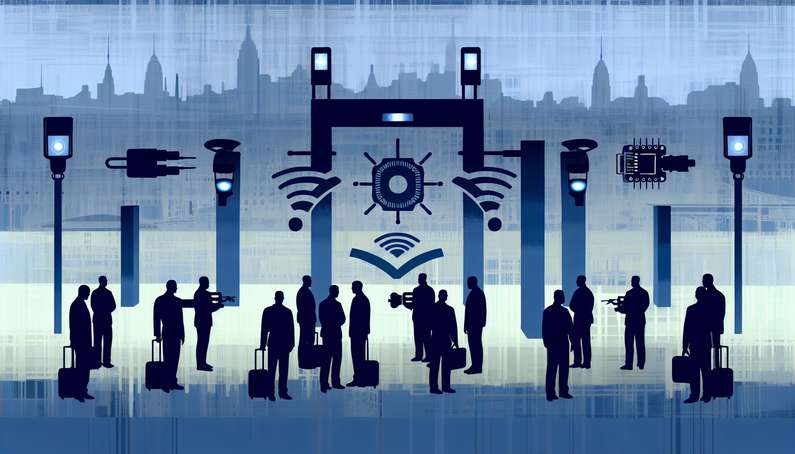
Targeted Device Bans at the NYC Mayoral Inauguration: Flipper Zero, Raspberry Pi, and the Future of Event Security

When the NYC mayoral inauguration committee released its list of prohibited items for the 2026 ceremony, two names stood out: Flipper Zero and Raspberry Pi. These aren’t your average gadgets—they’re beloved by hackers, security researchers, and tech hobbyists for their versatility and power. But their presence on the ban list signals a shift in how event security teams are thinking about digital threats. Unlike sweeping bans on all electronics, this targeted approach zeroes in on devices known for their ability to interact with wireless protocols, interface with hardware, and potentially exploit vulnerabilities in both physical and digital realms (BleepingComputer).
Flipper Zero, a pocket-sized multi-tool for penetration testing, and Raspberry Pi, a single-board computer that can run everything from retro games to advanced hacking tools, have both been at the center of regulatory debates and retail crackdowns. Their modularity and programmability make them favorites for legitimate research—but also for those with less noble intentions. The decision to single them out, while leaving laptops and smartphones off the list, raises eyebrows and questions about the logic and effectiveness of such bans. After all, a modern smartphone running the right software can do much of what these devices can—and more (BleepingComputer).
This spotlight on Flipper Zero and Raspberry Pi at a high-profile event like the NYC mayoral inauguration offers a fascinating lens into the evolving world of cybersecurity, public perception, and the sometimes-blurry line between real risk and security theater.
The Logic (and Loopholes) Behind Banning Flipper Zero and Raspberry Pi at Major Events
Event-Specific Security Rationales for Device Bans
The explicit prohibition of Flipper Zero and Raspberry Pi devices at the 2026 NYC mayoral inauguration highlights a targeted approach to event security that diverges from more generalized restrictions on electronic devices. The rationale for such bans often centers on the unique capabilities these devices offer for wireless communication, hardware interfacing, and potential exploitation of vulnerabilities in physical and digital infrastructure (BleepingComputer).
Flipper Zero, for instance, is a compact, multi-tool device designed for penetration testing and security research. It can interact with RFID, NFC, Bluetooth, and other wireless protocols, making it a versatile tool for both legitimate research and malicious activity. Raspberry Pi, on the other hand, is a full-fledged single-board computer, capable of running a wide array of operating systems and software, including those used for cybersecurity testing and hacking.
Event organizers may perceive these devices as higher-risk compared to more ubiquitous electronics due to their modularity, programmability, and the relative ease with which they can be used to execute unauthorized access or surveillance. The decision to single out these devices, rather than categorically banning all computing equipment, suggests a focus on tools that are both portable and specifically associated with hacking or penetration testing.
Comparative Analysis: Flipper Zero and Raspberry Pi Versus Other Electronic Devices
A key loophole in the logic of the ban emerges when comparing the technical capabilities of Flipper Zero and Raspberry Pi with those of modern laptops and smartphones. Both laptops and smartphones can run advanced penetration testing suites—such as Kali Linux and Kali NetHunter, respectively—enabling them to perform many of the same functions as the banned devices (BleepingComputer).
For example, a modern laptop equipped with a wireless network adapter can scan for, intercept, and potentially exploit wireless communications, just as a Flipper Zero can. Similarly, smartphones with the right software can clone RFID cards, sniff Bluetooth traffic, and even act as remote command-and-control devices. The fact that these more powerful and versatile devices are not included in the ban list raises questions about the consistency and effectiveness of the policy.
Furthermore, the specificity of the ban—naming Flipper Zero and Raspberry Pi rather than using broader categories such as “computing devices” or “wireless communication tools”—creates ambiguity. This selective approach may inadvertently signal to would-be attackers that other, equally capable devices are permissible, potentially undermining the intended security posture.
Regulatory and Retail Precedents: Influence on Event Policies
The scrutiny faced by Flipper Zero and Raspberry Pi is not limited to event security; both devices have been subject to regulatory and retail actions in various jurisdictions. Governments have raised concerns about Flipper Zero’s use in car theft, network breaches, and card skimming, leading to proposals for outright bans or restrictions (BleepingComputer). Online retailers, including Amazon, have at times prohibited the sale of Flipper Zero due to its potential misuse.
These precedents likely inform the risk assessments conducted by event organizers. The association of these devices with high-profile incidents of cybercrime, even if anecdotal, contributes to their perception as threats. However, the rollback of some planned prohibitions and the continued widespread availability of both Flipper Zero and Raspberry Pi suggest that concerns about their misuse must be balanced against their legitimate applications in education, research, and hobbyist communities.
The influence of regulatory actions on event security policies is evident in the selective nature of the bans. Rather than adopting a blanket prohibition on all potentially risky electronics, organizers appear to be responding to the devices’ reputational risks and the visibility of previous enforcement actions. This approach, while understandable from a public relations perspective, may not fully address the underlying technical risks.
Technical Ambiguities and Enforcement Challenges
Enforcing bans on specific devices like Flipper Zero and Raspberry Pi presents significant technical and logistical challenges. Both devices are small and can be easily concealed among personal belongings. Raspberry Pi boards, for example, can be disguised within everyday objects or integrated into custom enclosures, making detection difficult without thorough searches or specialized equipment.
Moreover, the functionality of these devices is not unique; many off-the-shelf electronics can be repurposed for similar activities. For instance, a USB flash drive loaded with penetration testing scripts, or a smartphone with custom firmware, can achieve many of the same outcomes as a Flipper Zero or Raspberry Pi. This functional overlap complicates enforcement, as security personnel must distinguish between benign and potentially malicious uses of common technology.
The lack of clear technical criteria for what constitutes a “dangerous” device further muddies the waters. Without standardized definitions or detection protocols, enforcement becomes subjective, potentially leading to inconsistent application of the rules and disputes with attendees. This ambiguity may also incentivize adversaries to develop new tools that evade detection by mimicking the appearance or behavior of permitted devices.
Perception, Public Messaging, and Security Theater
The decision to ban Flipper Zero and Raspberry Pi at a high-profile event like the NYC mayoral inauguration is as much about perception as it is about practical security. Publicly listing these devices alongside traditional threats such as firearms, explosives, and drones serves to signal vigilance and a proactive stance on cybersecurity (BleepingComputer).
However, this approach risks veering into the realm of “security theater”—measures that provide the appearance of enhanced security without substantively reducing risk. By focusing on specific, well-known devices, organizers may reassure the public and deter casual misuse, but determined adversaries are unlikely to be thwarted by such targeted bans. The omission of laptops and smartphones from the prohibited list, despite their greater capabilities, underscores the performative aspect of the policy.
Additionally, the singling out of devices popular among security researchers and hobbyists can generate confusion and resentment within the technology community. Critics have pointed out the inconsistency of banning Flipper Zero and Raspberry Pi while allowing more powerful and versatile devices, questioning whether the policy is informed by technical expertise or public perception (BleepingComputer).
Ultimately, the effectiveness of such bans depends not only on their technical soundness but also on their ability to balance security needs with transparency, fairness, and respect for legitimate use cases. The ongoing debate over the role of Flipper Zero and Raspberry Pi in event security reflects broader tensions between innovation, regulation, and the evolving landscape of cyber threats.
Final Thoughts
The NYC mayoral inauguration’s ban on Flipper Zero and Raspberry Pi devices is a microcosm of the broader debate over how to balance security, innovation, and public perception. While these devices are undeniably powerful and have been linked to high-profile cyber incidents, the selective nature of the ban exposes loopholes—especially when more capable devices like laptops and smartphones remain allowed (BleepingComputer).
Enforcement challenges, technical ambiguities, and the risk of alienating the tech community all complicate the picture. Ultimately, the effectiveness of such policies hinges on a nuanced understanding of both the technology and the evolving threat landscape. As AI, IoT, and other emerging technologies continue to reshape the cybersecurity frontier, event organizers and policymakers will need to move beyond symbolic gestures and embrace smarter, more adaptable security strategies that address real risks without stifling innovation.
References
- NYC mayoral inauguration bans Flipper Zero, Raspberry Pi devices, 2025, BleepingComputer https://www.bleepingcomputer.com/news/security/nyc-mayoral-inauguration-bans-flipper-zero-raspberry-pi-devices/




