Securing Remote Desktop Protocol: Lessons from the 2024 Multi-Country Botnet Campaign

A single exposed port can be all it takes for cybercriminals to slip past digital defenses. The Remote Desktop Protocol (RDP), a staple for IT teams managing systems remotely, has become a favorite target for attackers—especially as remote work has surged. In 2024, a massive botnet campaign was detected targeting RDP services in the US, leveraging over 100,000 IP addresses from multiple countries to orchestrate brute-force and timing attacks (BleepingComputer). This incident highlights not only the persistent vulnerabilities in RDP but also the evolving tactics of cybercriminals who exploit weak passwords, unpatched systems, and exposed services. With the rise of AI-driven attack automation and the proliferation of IoT devices, the stakes for securing remote access have never been higher. This analysis unpacks how RDP works, why it remains vulnerable, and what organizations can do to defend against these sophisticated, multi-country threats.
Understanding RDP and Its Vulnerabilities
Overview of Remote Desktop Protocol (RDP)
Remote Desktop Protocol (RDP) is a proprietary protocol developed by Microsoft, which provides a user with a graphical interface to connect to another computer over a network connection. The user employs RDP client software, while the other computer must run RDP server software. RDP is widely used in enterprise environments for remote administration and support, allowing IT professionals to manage systems without physical access. Its popularity stems from its integration with Windows operating systems and its ability to facilitate remote work, especially in today’s increasingly digital and distributed work environments.
Common Vulnerabilities in RDP
Despite its utility, RDP is not without vulnerabilities. One of the primary concerns is the exposure of RDP ports to the public internet, which can be exploited by attackers. Open RDP ports can be discovered through scanning tools, making them susceptible to brute-force attacks where attackers attempt numerous username and password combinations to gain unauthorized access. Additionally, RDP has been the target of various exploits over the years, including the infamous BlueKeep vulnerability, which allowed remote code execution on unpatched systems (BleepingComputer).
Types of Attacks on RDP
Brute-Force Attacks
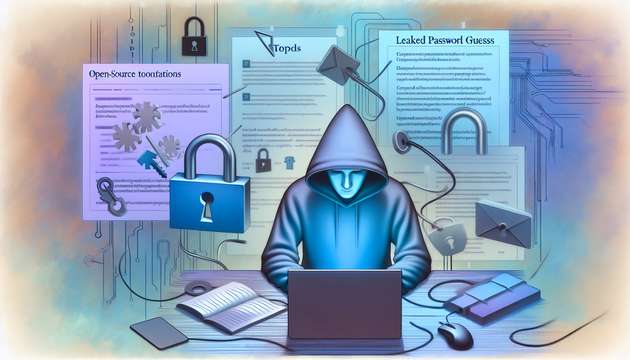
Brute-force attacks are one of the most common methods used by attackers to compromise RDP services. These attacks involve systematically attempting numerous combinations of usernames and passwords until the correct credentials are found. The effectiveness of brute-force attacks is often due to weak or default passwords that have not been changed by users. Attackers leverage automated tools to expedite this process, making it crucial for organizations to enforce strong password policies and implement account lockout mechanisms after a certain number of failed login attempts.
Exploitation of Vulnerabilities
RDP has been the target of various vulnerabilities that allow attackers to gain unauthorized access or execute arbitrary code. For example, the BlueKeep vulnerability (CVE-2019-0708) affected older versions of Windows and allowed attackers to execute code remotely without authentication. This vulnerability was particularly concerning because it was wormable, meaning it could spread from one vulnerable system to another without user interaction. Organizations are advised to keep their systems updated with the latest patches to mitigate such risks (BleepingComputer).
Mitigation Strategies for RDP Vulnerabilities
Network-Level Authentication (NLA)
Network-Level Authentication (NLA) is a security feature that requires users to authenticate themselves before establishing a full RDP session. Enabling NLA can significantly reduce the risk of unauthorized access, as it prevents attackers from exploiting vulnerabilities in the RDP service itself. Organizations are encouraged to enable NLA on all systems that use RDP to enhance security.
Virtual Private Networks (VPNs)
One of the most effective ways to secure RDP is by using a Virtual Private Network (VPN). A VPN creates a secure tunnel between the user and the remote system, encrypting all data transmitted over the network. By requiring users to connect to a VPN before accessing RDP, organizations can ensure that only authorized users can access their systems. This approach also helps to hide RDP ports from the public internet, reducing the risk of scanning and brute-force attacks (BleepingComputer).
Multi-Factor Authentication (MFA)
Implementing Multi-Factor Authentication (MFA) adds an additional layer of security to RDP connections. MFA requires users to provide two or more forms of verification before gaining access, such as a password and a one-time code sent to their mobile device. This makes it significantly more difficult for attackers to gain unauthorized access, even if they have obtained valid credentials through phishing or other means.
Recent Trends in RDP Attacks
The recent surge in RDP attacks can be attributed to the increasing number of remote workers and the exposure of RDP services to the internet. Attackers have adapted their strategies to exploit this trend, using sophisticated tools and techniques to compromise systems. For instance, the GreyNoise threat monitoring platform detected a massive botnet targeting RDP services in the US, originating from over 100,000 IP addresses across multiple countries. This botnet employed RD Web Access timing attacks and RDP web client login enumeration to identify valid usernames and compromise accounts (BleepingComputer).
Recommendations for Securing RDP
Organizations can take several steps to secure their RDP services and protect against attacks:
-
Regularly Update and Patch Systems: Keeping systems updated with the latest security patches is crucial to protect against known vulnerabilities.
-
Implement Strong Password Policies: Enforce the use of complex passwords and regularly change them to prevent brute-force attacks.
-
Limit RDP Access: Restrict RDP access to only those who need it and use firewalls to block unauthorized IP addresses.
-
Monitor and Audit RDP Logs: Regularly review RDP logs for suspicious activity and investigate any anomalies.
-
Educate Users: Train users on the importance of security best practices, such as recognizing phishing attempts and using strong passwords.
By implementing these strategies, organizations can significantly reduce the risk of RDP-related attacks and protect their systems from unauthorized access.
Final Thoughts
The recent multi-country botnet assault on US RDP services is a wake-up call for organizations relying on remote access. As attackers harness automation and global resources, traditional defenses like simple passwords or basic firewalls are no longer sufficient. Proactive measures—such as enabling Network-Level Authentication, enforcing strong password policies, and requiring VPN or MFA for remote access—are essential to stay ahead of evolving threats (BleepingComputer). Regular patching, user education, and vigilant monitoring can make the difference between a thwarted attack and a costly breach. As remote work and interconnected devices continue to expand, so too must our commitment to robust, layered security.
References
- Massive multi-country botnet targets RDP services in the US. (2024). BleepingComputer. https://www.bleepingcomputer.com/news/security/massive-multi-country-botnet-targets-rdp-services-in-the-us/