Ransomware Attack on Collins Aerospace Disrupts Major European Airports: Impacts and Lessons

A single ransomware attack can bring the bustling operations of Europe’s busiest airports to a grinding halt. When Collins Aerospace, a subsidiary of RTX, was targeted, the fallout rippled across major hubs like London Heathrow, Brussels, Berlin, and Dublin. The vMUSE self-service software—essential for check-in, baggage, and boarding—was knocked offline, forcing airports to revert to manual processes and leaving thousands of travelers stranded in long queues (The Record; TechCrunch). The chaos lasted for days, with airlines and airports scrambling to recover, incurring significant financial losses and reputational damage (CNBC). This incident not only exposed the vulnerabilities in aviation IT infrastructure but also highlighted the urgent need for robust cybersecurity strategies and cross-industry collaboration (Al Jazeera).
Impact on European Airports
Disruption to Airport Operations
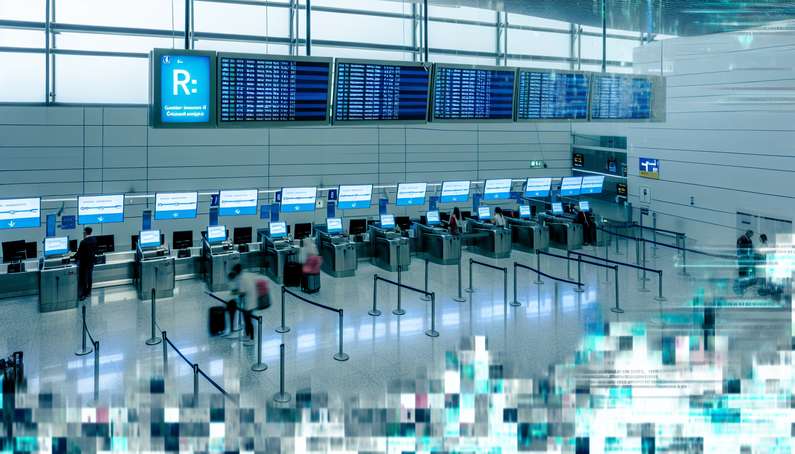
The ransomware attack on Collins Aerospace, a subsidiary of RTX, had a significant impact on European airports, causing widespread operational disruptions. The attack targeted the vMUSE self-service software, which is crucial for passenger check-in, baggage tagging, and boarding processes. As a result, major airports, including London Heathrow, Brussels, Berlin, and Dublin, experienced severe disruptions. Passengers faced long queues, and there were numerous flight delays and cancellations (The Record).
The check-in systems at these airports were knocked offline, leading to manual processing of passengers, which significantly slowed down operations. According to TechCrunch, the disruptions began on Friday and continued until at least the following Wednesday, affecting thousands of travelers.
Financial Impact on Airlines and Airports
The financial repercussions of the ransomware attack were substantial. Airlines and airport operators incurred significant costs due to flight delays, cancellations, and the need for additional staffing to handle manual check-in processes. While specific financial figures have not been disclosed, the disruption caused by the attack likely resulted in millions of euros in losses for the aviation industry.
Brussels Airport, for example, reported heavy disruption and anticipated further financial losses as operations were not fully restored even days after the attack (CNBC). The attack also damaged the reputation of the affected airports, potentially leading to a decrease in passenger confidence and future bookings.
Response and Recovery Efforts
In response to the attack, airports implemented various measures to mitigate the impact and restore normal operations. This included deploying additional staff to assist with manual check-in processes and coordinating with airlines to manage flight schedules and minimize delays. The European Union Agency for Cybersecurity (ENISA) was involved in investigating the attack and identifying the type of ransomware used (Al Jazeera).
Despite these efforts, some airports, such as Berlin, continued to experience disruptions days after the initial attack, with systems not fully restored and further delays anticipated (DW). The recovery process was gradual, with improvements seen over the weekend but not yet complete by the following Monday.
Impact on Passengers
Passengers bore the brunt of the ransomware attack, facing significant inconvenience and frustration. Long queues at check-in counters, delayed flights, and cancellations were common across the affected airports. Many travelers had to rebook flights or make alternative travel arrangements, leading to additional costs and disruptions to their plans.
According to CNN, Dublin Airport experienced minimal impact due to the implementation of manual processes, but other airports were not as fortunate. The attack highlighted the vulnerability of airport systems to cyber threats and the potential for significant disruption to passenger travel.
Long-term Implications for Airport Security
The ransomware attack on Collins Aerospace underscores the need for enhanced cybersecurity measures in the aviation industry. Airports and airlines must invest in robust security protocols to protect critical systems from cyber threats. The incident also emphasizes the importance of collaboration between industry stakeholders, government agencies, and cybersecurity experts to develop comprehensive strategies for preventing and responding to cyberattacks.
In the wake of the attack, the European Union and national governments are likely to review and strengthen cybersecurity regulations for the aviation sector. This may include mandatory security audits, increased investment in cybersecurity infrastructure, and the development of contingency plans to ensure continuity of operations in the event of future attacks (BBC).
Overall, the ransomware attack on European airports serves as a stark reminder of the growing threat of cybercrime and the need for proactive measures to safeguard critical infrastructure.
Final Thoughts
The RTX ransomware attack is a wake-up call for the aviation sector and anyone who relies on critical infrastructure. Passengers faced missed connections and disrupted plans, while airports and airlines shouldered hefty financial and reputational costs (CNN). The slow recovery process, even with emergency measures in place, underscores how dependent modern travel is on digital systems—and how quickly things can unravel when those systems are compromised (DW). As the aviation industry looks ahead, investing in cybersecurity, conducting regular audits, and fostering collaboration between governments, tech providers, and airlines will be crucial. The lessons from this attack should drive not just policy changes, but a cultural shift toward proactive cyber defense (BBC).
References
- The Record. (2025). UK arrest after cyberattack disrupts European airports. https://therecord.media/uk-arrest-cyberattack-disruption-european-airports
- TechCrunch. (2025, September 24). UK police arrest man linked to ransomware attack that caused airport disruptions in Europe. https://techcrunch.com/2025/09/24/uk-police-arrest-man-linked-to-ransomware-attack-that-caused-airport-disruptions-in-europe/
- CNBC. (2025, September 21). What we know about the cyberattack that hit major European airports. https://www.cnbc.com/2025/09/21/what-we-know-about-the-cyberattack-that-hit-major-european-airports.html
- Al Jazeera. (2025, September 22). Cyberattack on European airports caused by ransomware, EU finds. https://www.aljazeera.com/news/2025/9/22/cyberattack-on-european-airports-caused-by-ransomware-eu-finds
- DW. (2025). European airports disruption due to ransomware: EU agency. https://www.dw.com/en/european-airports-disruption-due-to-ransomware-eu-agency/a-74073365
- CNN. (2025, September 22). Cyberattack: European airports hack disruption. https://www.cnn.com/2025/09/22/travel/cyberattack-european-airports-hack-disruption-intl
- BBC. (2025). European airports hit by ransomware attack. https://www.bbc.com/news/articles/cqjeej85452o