
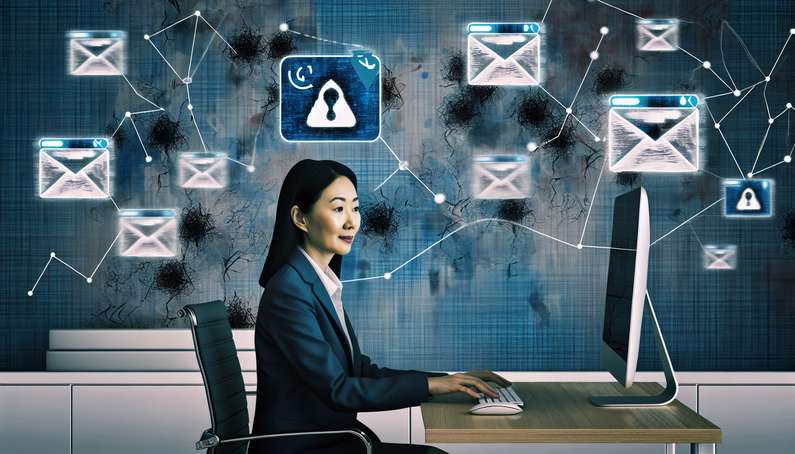
Phishing Finds a New Home: How LinkedIn Became a Prime Target for Cybercriminals

Phishing has found a new playground, and it’s not your inbox—it’s your LinkedIn messages. As attackers pivot away from traditional email-based scams, they’re exploiting the professional trust and open networking culture that LinkedIn fosters. Recent data shows that a striking 34% of phishing attacks now occur over non-email channels, including social media and messaging apps, with LinkedIn emerging as a favorite for cybercriminals (BleepingComputer).
Why the shift? LinkedIn’s direct messaging lets attackers sidestep the robust email security tools organizations have come to rely on. The platform’s professional veneer makes users more likely to trust unsolicited messages, especially when they appear to come from a colleague or industry peer. Attackers are also leveraging hijacked accounts—often lacking multi-factor authentication—to scale their campaigns and exploit existing networks. With AI-powered phishing kits and browser-based attacks on the rise, the threat landscape is evolving faster than many organizations can adapt (BleepingComputer).
This article unpacks how phishing on LinkedIn is outpacing traditional defenses, why high-value targets are at greater risk, and what security measures are urgently needed to keep up.
The Shift from Email to LinkedIn
The Evolution of Phishing Channels
Phishing attacks have traditionally been associated with email, where attackers send fraudulent messages to trick recipients into revealing sensitive information. However, the landscape of phishing has evolved significantly, with a notable shift towards using platforms like LinkedIn. This transition is driven by several factors, including the limitations of traditional email-based phishing and the opportunities presented by social media platforms. According to a report, 34% of phishing attacks now occur over non-email channels such as social media, search engines, and messaging apps (BleepingComputer).
Bypassing Traditional Security Measures
One of the primary reasons attackers are gravitating towards LinkedIn is the ability to bypass traditional email security tools. LinkedIn’s direct messaging feature allows attackers to sidestep the email security measures that many organizations rely on. This lack of visibility into LinkedIn communications means that employees can be targeted on their work devices without the risk of email interception (BleepingComputer).
The Appeal of LinkedIn for Phishers
LinkedIn offers a unique environment that is particularly appealing to phishers. Unlike email, LinkedIn is a platform where users expect to connect with people outside their organization, making them more susceptible to engaging with unknown contacts. The professional networking nature of LinkedIn means that users are more likely to trust messages from seemingly legitimate sources, especially if they appear to come from within their professional network (BleepingComputer).
Exploiting Account Hijacking
Account hijacking is another tactic that makes LinkedIn an attractive target for phishers. Attackers can easily take over legitimate LinkedIn accounts, which often lack multi-factor authentication (MFA) due to lower adoption rates on personal apps. This allows attackers to exploit the trust inherent in existing networks and scale their phishing campaigns effectively. The use of AI-powered direct messages further enhances the reach and impact of these attacks (BleepingComputer).
Targeting High-Value Individuals
LinkedIn’s professional focus makes it an ideal platform for targeting high-value individuals within organizations. Attackers can easily map out an organization’s structure and identify key targets, such as executives or employees with access to sensitive information. The lack of screening or filtering for LinkedIn messages means that attackers can directly reach their intended targets without the barriers present in email communication (BleepingComputer).
The Role of Advanced Phishing Kits
Modern phishing kits have become increasingly sophisticated, employing techniques such as obfuscation, anti-analysis, and detection evasion to bypass security measures. These kits are designed to circumvent traditional anti-phishing controls, leaving organizations reliant on user training and reporting as their primary defense. However, even when a phishing attempt is identified and reported, organizations face challenges in mitigating the impact, as there is no centralized control over LinkedIn communications (BleepingComputer).
The Impact of Browser-Based Attacks
As phishing attacks move beyond email, they increasingly target users through the browser. Attackers aim to steal credentials, hijack sessions, and compromise SaaS accounts by exploiting browser vulnerabilities. This shift necessitates a reevaluation of security strategies to include real-time threat detection and response capabilities within the browser environment (BleepingComputer).
The Need for Enhanced Security Measures
The growing threat of phishing on LinkedIn underscores the need for enhanced security measures that extend beyond traditional email protection. Organizations must adopt comprehensive solutions that detect and block phishing attempts across all communication channels and delivery vectors. This includes implementing browser-based security measures and fostering a culture of security awareness among employees to recognize and report phishing attempts effectively (BleepingComputer).
Conclusion
While the previous sections have explored various aspects of phishing on LinkedIn, this section highlights the critical need for organizations to adapt their security strategies to address the evolving threat landscape. By understanding the unique challenges posed by LinkedIn phishing and implementing robust security measures, organizations can better protect themselves against this growing threat.
Final Thoughts
LinkedIn’s transformation from a professional networking hub to a prime phishing battleground highlights the need for a security rethink. Attackers are exploiting trust, leveraging advanced phishing kits, and bypassing legacy defenses by targeting users where they’re least protected (BleepingComputer).
To counter these threats, organizations must look beyond email filters and invest in comprehensive, cross-channel security solutions. This means:
- Implementing browser-based threat detection
- Encouraging multi-factor authentication on all platforms
- Fostering a culture of vigilance and security awareness
As phishing tactics continue to evolve, so too must our defenses. Staying ahead requires not just technology, but also a workforce empowered to recognize and report suspicious activity—no matter where it appears.
References
- BleepingComputer. (2024). 5 reasons why attackers are phishing over LinkedIn. https://www.bleepingcomputer.com/news/security/5-reasons-why-attackers-are-phishing-over-linkedin/




