Phishing Campaigns Targeting LastPass and Bitwarden Users: Technical Analysis and Lessons Learned

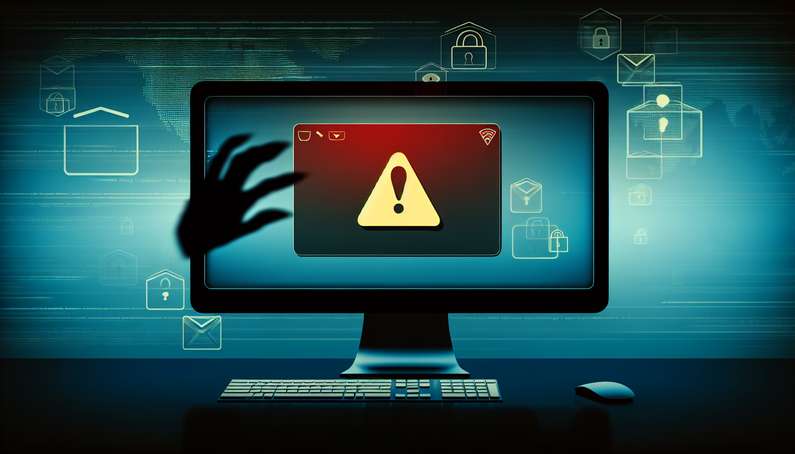
Imagine receiving an urgent email from your trusted password manager, warning of a breach and urging you to update your software immediately. For many LastPass and Bitwarden users, this scenario became a reality as cybercriminals launched a convincing phishing campaign that mimicked official alerts. These emails, crafted with uncanny attention to detail, lured recipients into downloading what appeared to be a security update—but was, in fact, a gateway for attackers to hijack their PCs. By leveraging legitimate remote monitoring tools like Syncro and ScreenConnect, the attackers blurred the line between authentic support and malicious intent. The campaign even exploited known vulnerabilities in older LastPass desktop applications, making the ruse all the more believable. This incident underscores the evolving sophistication of phishing tactics and the importance of verifying security alerts through official channels (BleepingComputer).
Phishing Campaign Tactics and Technical Analysis
Social Engineering Techniques
Phishing campaigns targeting LastPass and Bitwarden users have employed sophisticated social engineering techniques to deceive recipients into downloading malicious software. The attackers crafted emails that mimicked official communications from LastPass and Bitwarden, creating a false sense of urgency by claiming that the companies had suffered security breaches. These emails urged recipients to download a “more secure” version of the desktop application, exploiting the recipients’ trust in the brand and their fear of compromised security. The emails were sent from addresses such as ‘hello@lastpasspulse[.]blog’ and ‘hello@bitwardenbroadcast.blog’, which closely resemble legitimate sources (BleepingComputer).
Technical Deployment of Malware
The phishing emails contained links that directed users to download a binary file, which upon execution, installed the Syncro MSP platform agent. Syncro is a legitimate remote monitoring and management (RMM) tool used by managed service providers (MSPs). However, in this context, it was repurposed by threat actors to deploy the ScreenConnect remote support tool, granting them remote access to the victim’s computer. The configuration files of the deployed agent indicated that it was designed to check in with a command-and-control server every 90 seconds, although it did not enable built-in remote access features or deploy additional remote support utilities like Splashtop or TeamViewer (BleepingComputer).
Exploitation of Vulnerable Software
The attackers specifically targeted vulnerabilities in older .exe installations of the LastPass desktop application. These vulnerabilities allowed unauthorized access to cached vault data under certain conditions. The phishing emails falsely claimed that LastPass had developed a new MSI installer to replace the outdated .exe format, which purportedly had weaknesses that could be exploited to access vault information. This claim was part of the social engineering strategy to convince users to download and install the malicious software (BleepingComputer).
Mitigation and Response
In response to these phishing campaigns, companies like LastPass and Bitwarden have emphasized the importance of verifying the authenticity of security alerts through official channels, such as company blogs and press releases. They have also reminded users that legitimate companies will never ask for the master password to their vaults. Additionally, Cloudflare has been actively blocking access to the phishing landing pages, marking them as malicious attempts (BleepingComputer).
Broader Implications and Recommendations
The use of legitimate RMM tools like Syncro and ScreenConnect by threat actors highlights the need for enhanced scrutiny of software installations and updates. Organizations and individuals are advised to implement robust security measures, such as multi-factor authentication and regular software updates, to protect against such phishing attacks. Furthermore, security awareness training for users can help them recognize and avoid phishing attempts, reducing the risk of successful attacks (BleepingComputer).
Final Thoughts
The fake LastPass and Bitwarden breach alerts serve as a stark reminder that even the most security-conscious users can be targeted by highly convincing phishing campaigns. The attackers’ use of legitimate remote management tools and exploitation of real software vulnerabilities highlight the need for constant vigilance. Organizations and individuals alike should prioritize security awareness training, multi-factor authentication, and regular software updates to stay ahead of such threats. As cybercriminals continue to refine their tactics, staying informed and skeptical of unsolicited security alerts is more crucial than ever (BleepingComputer).
References
- Cimpanu, C. (2024, June 13). Fake LastPass, Bitwarden breach alerts lead to PC hijacks. BleepingComputer. https://www.bleepingcomputer.com/news/security/fake-lastpass-bitwarden-breach-alerts-lead-to-pc-hijacks/