Passkey-Encrypted Backups: WhatsApp Ushers in a Passwordless Future

Forget the days of scrambling to remember yet another password just to keep your WhatsApp chats safe. With the rollout of passkey-encrypted backups on both iOS and Android, WhatsApp is ushering in a new chapter for digital privacy and convenience. Instead of relying on passwords or lengthy encryption keys, users can now secure their chat backups using biometrics—think fingerprints or facial recognition—or device-specific codes. This leap forward not only aligns with the broader tech industry’s shift toward passwordless authentication, but also directly addresses the surge in password-related breaches. According to the Picus Blue Report 2025, password cracking incidents have doubled, impacting nearly half of all environments surveyed. By keeping private keys locked to your device and never transmitting them to the cloud, WhatsApp’s new system offers both robust security and a user-friendly experience. For anyone who’s ever worried about their chats falling into the wrong hands—or simply forgotten a backup password—this update is a game changer (BleepingComputer, 2024).
Passkey-Encrypted Backups: A New Era in Data Security
Evolution of WhatsApp Backup Security
WhatsApp has consistently prioritized user security, introducing end-to-end encrypted (E2EE) chat backups on iOS and Android in October 2021. This feature allowed users to store their encrypted backups on cloud services like iCloud and Google Drive. However, the introduction of passkey-encrypted backups marks a significant evolution in how users secure their data. Unlike traditional methods that rely on passwords or cumbersome encryption keys, passkeys utilize biometric authentication or device-specific security codes, offering enhanced security and user convenience. This shift aligns with broader industry trends towards passwordless authentication, which is increasingly recognized as a more secure alternative to traditional password systems.
Technical Overview of Passkey Encryption
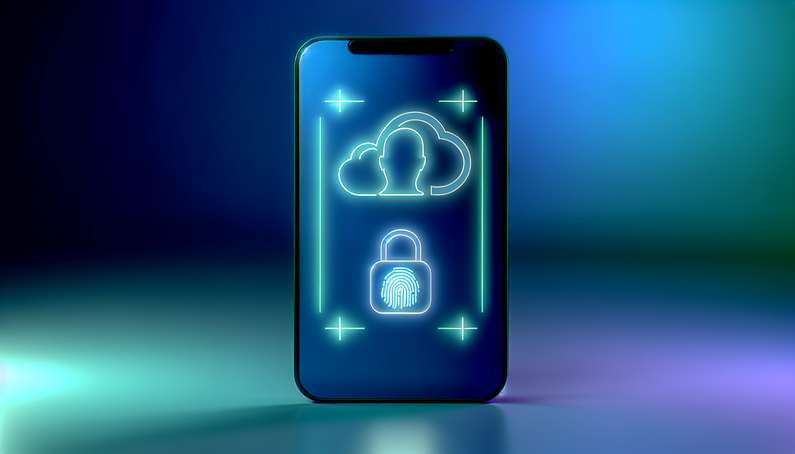
Passkey encryption involves the generation of a unique cryptographic key pair: a private key stored securely on the user’s device and a public key shared with the app or service. This method ensures that the private key never leaves the device, significantly reducing the risk of data breaches. According to WhatsApp, passkeys allow users to encrypt their chat backups using biometric data, such as a fingerprint or facial recognition, or a device-specific screen lock code. This approach not only enhances security but also simplifies the user experience by eliminating the need to remember complex passwords.
Benefits of Passwordless Authentication
The adoption of passkey-encrypted backups offers several advantages over traditional password-based systems. Firstly, it mitigates the risk of password theft, a common vulnerability in online security. According to the Picus Blue Report 2025, there has been a 2X increase in password cracking, with 46% of environments experiencing password breaches. By eliminating passwords, passkeys reduce the attack surface for cybercriminals. Additionally, passkeys enhance user convenience by allowing seamless authentication through biometrics or device-specific codes, which are generally easier to use and remember than complex passwords.
Implementation and User Experience
To enable passkey-encrypted backups, users must navigate to WhatsApp settings and select Chats > Chat backup > End-to-end encrypted backup. This process is designed to be intuitive and user-friendly, reflecting WhatsApp’s commitment to accessibility. Once enabled, users can encrypt their chat backups with a simple tap or glance, leveraging the same security features that protect their personal chats and calls. This seamless integration of security and usability is a key factor in the widespread adoption of passkey encryption.
Future Implications and Industry Trends
The introduction of passkey-encrypted backups by WhatsApp is part of a larger trend towards passwordless authentication across the tech industry. As more companies recognize the limitations of traditional password systems, there is a growing shift towards more secure and user-friendly alternatives. This trend is likely to accelerate as biometric authentication technologies continue to advance and become more widely adopted. For WhatsApp users, the move to passkey encryption represents a significant enhancement in data security, offering peace of mind in an increasingly digital world.
In summary, the introduction of passkey-encrypted backups by WhatsApp marks a significant advancement in data security and user experience. By leveraging biometric authentication and device-specific security codes, passkeys offer a more secure and convenient alternative to traditional password systems. As the tech industry continues to evolve, the adoption of passwordless authentication is likely to become increasingly prevalent, setting a new standard for data security.
Final Thoughts
WhatsApp’s move to passkey-encrypted backups isn’t just a technical upgrade—it’s a meaningful step toward making digital security both stronger and simpler for everyone. By eliminating passwords in favor of biometrics and device-specific codes, users gain peace of mind without the hassle of managing yet another credential. This approach also sets a precedent for other tech giants, signaling that passwordless authentication is quickly becoming the gold standard for protecting sensitive data. As cyber threats evolve and password breaches remain rampant, innovations like these are essential for keeping our digital lives secure and stress-free (BleepingComputer, 2024).
References
- WhatsApp adds passwordless chat backups on iOS and Android. (2024). BleepingComputer. https://www.bleepingcomputer.com/news/security/whatsapp-adds-passwordless-chat-backups-on-ios-and-android/