
Operation Aether: How International Teamwork Is Disrupting Ransomware Networks

A single arrest in Poland has sent ripples through the global cybersecurity community, highlighting the power of international collaboration against ransomware syndicates. Operation Aether, a sweeping law enforcement initiative, has united agencies from 14 countries to dismantle the notorious Phobos ransomware group. This operation stands out not just for its scale, but for its holistic approach—targeting both the technical infrastructure and the human masterminds behind the attacks (BleepingComputer).
The February 2026 arrest of a 47-year-old suspect in Poland, found with a trove of stolen credentials and hacking tools, is just one chapter in a broader story. Operation Aether’s coordinated raids have led to the seizure of 27 servers, extraditions across continents, and the disruption of Phobos’ ability to extort and encrypt data. The operation’s intelligence-sharing framework has also enabled authorities to warn over 400 companies of imminent threats, giving them a fighting chance to defend their networks. This case exemplifies how cross-border teamwork, rapid intelligence exchange, and technical innovation are reshaping the fight against ransomware (BleepingComputer).
Operation Aether: How International Teamwork Is Disrupting Ransomware Networks
Multinational Coordination and the Scope of Operation Aether
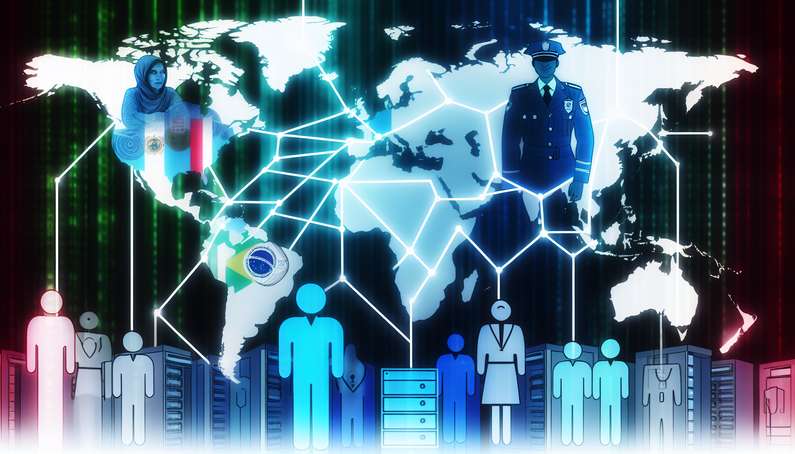
Operation Aether represents a landmark in international law enforcement cooperation, targeting the infrastructure and affiliates of the Phobos ransomware group. The operation is distinguished by its scale and the range of participating countries, with Europol and Eurojust providing central coordination. Law enforcement agencies from 14 countries have been directly involved, each contributing resources and expertise to address different facets of the ransomware ecosystem (BleepingComputer).
Unlike prior isolated efforts, Operation Aether’s approach is holistic, targeting not only the perpetrators of ransomware attacks but also the technical backbone that supports these operations. The operation’s geographical reach is notable, with simultaneous actions across Europe and Asia, including Poland, Italy, and Thailand. This broad coalition has enabled authorities to dismantle key elements of Phobos’ infrastructure, disrupt affiliate activities, and seize digital assets crucial to ongoing investigations.
The operation’s success is rooted in the seamless exchange of intelligence, evidence, and operational strategies among participating nations. This collaborative framework has facilitated rapid responses to emerging threats, the identification of cross-border criminal connections, and the execution of synchronized raids. By leveraging the strengths of each country’s cybercrime units, Operation Aether has set a precedent for future multinational cybercrime interventions.
Targeting Ransomware Infrastructure: Seizures and Technical Disruption
A core component of Operation Aether has been the identification and seizure of backend infrastructure used by the Phobos ransomware group. In February 2025, law enforcement agencies executed a coordinated takedown, resulting in the seizure of 27 servers that played a pivotal role in the group’s operations (BleepingComputer). These servers were responsible for managing ransom negotiations, storing stolen data, and distributing malicious payloads.
The technical disruption extended beyond simple server seizures. Forensic analysis of the captured infrastructure provided investigators with valuable insights into the operational methods of the Phobos group, including their encryption techniques, affiliate management systems, and communication channels. This intelligence has been instrumental in developing decryption tools and warning potential victims of imminent attacks.
The operation also exposed the layered architecture of the ransomware network, revealing how Phobos leveraged bulletproof hosting providers and anonymization services to evade detection. By dismantling these technical enablers, Operation Aether has significantly impeded the group’s ability to launch new attacks and maintain existing extortion campaigns.
Arrests and Extraditions: Weakening the Human Element
Operation Aether’s impact is not limited to technical disruption; it has also resulted in the apprehension of key individuals associated with the Phobos ransomware group. The arrest of a 47-year-old suspect in Poland in February 2026 exemplifies the operation’s focus on both high-level administrators and lower-tier affiliates (BleepingComputer). The suspect was found in possession of computers and mobile devices containing stolen credentials, credit card numbers, and server access data, all of which could be used to facilitate further attacks.
In addition to the Polish arrest, Operation Aether has led to the extradition of an alleged Phobos administrator to the United States in November 2024, as well as the arrest of two suspected affiliates in Phuket, Thailand. Another significant arrest occurred in Italy in 2023, further demonstrating the operation’s international reach. These actions have not only removed key actors from the ransomware ecosystem but have also yielded critical intelligence through the analysis of seized devices and communications.
The human element of ransomware operations is often overlooked in technical analyses, but Operation Aether’s focus on arrests and extraditions underscores the importance of disrupting the organizational structure of cybercriminal groups. By targeting both leadership and operational affiliates, law enforcement agencies have weakened the Phobos group’s ability to coordinate attacks, recruit new members, and launder illicit proceeds.
Victim Notification and Preventive Measures
One of the most impactful outcomes of Operation Aether has been the proactive notification of potential victims. According to Europol, law enforcement agencies were able to warn more than 400 companies worldwide of ongoing or imminent ransomware attacks (BleepingComputer). This early-warning system enabled organizations to implement emergency security measures, patch vulnerabilities, and, in some cases, prevent data encryption and extortion.
The operation’s intelligence-sharing mechanisms have facilitated the rapid dissemination of indicators of compromise (IOCs), attack vectors, and decryption tools to targeted organizations. This collaborative approach has not only mitigated the immediate impact of ransomware attacks but has also enhanced the overall resilience of critical infrastructure sectors.
Furthermore, the release of a Phobos and 8Base ransomware decryptor by Japanese authorities in July 2025 provided victims with a free means to recover encrypted files, reducing the financial and operational damage caused by ransomware incidents. This tool, developed through the analysis of seized infrastructure and decryption keys, exemplifies the tangible benefits of international cooperation in the fight against cybercrime.
Legal and Policy Implications: Setting New Standards for Cybercrime Response
Operation Aether has set new benchmarks for legal and policy responses to transnational cybercrime. The charges brought against suspects, such as those under Article 269b of Poland’s Criminal Code for producing, acquiring, and distributing hacking tools, reflect a growing recognition of the need for robust legal frameworks to address the evolving tactics of ransomware groups (BleepingComputer). The maximum prison sentences associated with these charges serve as a deterrent to would-be offenders and signal the seriousness with which authorities treat cyber-enabled extortion.
The operation’s reliance on extradition treaties and mutual legal assistance agreements has highlighted the importance of international legal harmonization in combating cyber threats. The successful transfer of suspects across borders demonstrates the effectiveness of coordinated judicial processes in holding cybercriminals accountable, regardless of their location.
Moreover, Operation Aether’s outcomes are likely to influence future policy decisions regarding the allocation of resources to cybercrime units, the development of cross-border investigative protocols, and the prioritization of ransomware as a national security threat. The operation’s success has underscored the necessity of sustained international engagement, continuous intelligence sharing, and the integration of technical, legal, and diplomatic tools in the global effort to disrupt ransomware networks.
Final Thoughts
Operation Aether’s success is a testament to what’s possible when nations pool their resources and expertise to tackle cybercrime at its roots. By combining technical takedowns, strategic arrests, and proactive victim notifications, the operation has not only disrupted the Phobos ransomware group but also set a new benchmark for international cybercrime response (BleepingComputer).
The ripple effects of this operation will likely influence future policy, resource allocation, and the development of even more robust cross-border investigative protocols. As ransomware tactics evolve—often leveraging emerging technologies like AI and IoT—the need for agile, collaborative, and innovative responses becomes ever more critical. Operation Aether’s blueprint offers hope and a practical path forward for defending against the next wave of cyber threats.
References
- Poland arrests suspect linked to Phobos ransomware operation. (2026). BleepingComputer. https://www.bleepingcomputer.com/news/security/poland-arrests-suspect-linked-to-phobos-ransomware-operation/




