
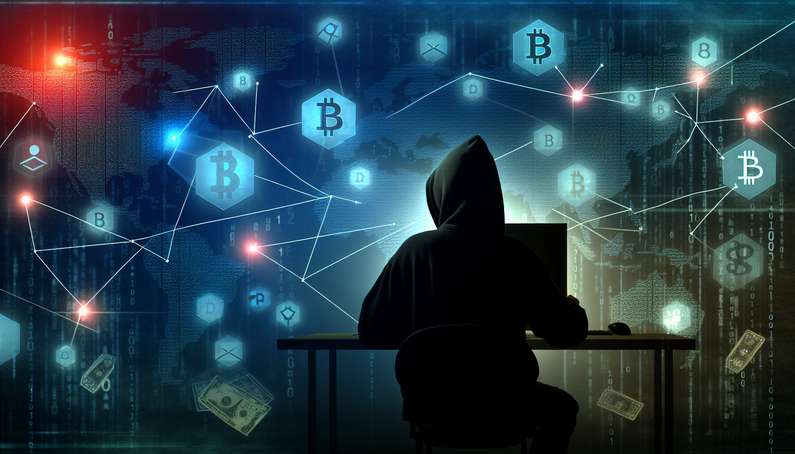
North Korea’s Cybercrime Empire: How Digital Heists Fund a Rogue Regime

North Korean cybercriminals have become notorious for their audacious digital heists, with over $3 billion in cryptocurrency stolen in just three years—a sum that would make even the most seasoned hackers envious. These operations are anything but amateur: advanced malware, clever social engineering, and a knack for covering their tracks have made attribution a nightmare for global authorities (Bleeping Computer).
But the story doesn’t end with digital theft. North Korean IT workers, often hiding behind fake identities, have infiltrated freelance platforms worldwide, funneling hundreds of millions of dollars back to Pyongyang. These funds are not just padding bank accounts—they’re fueling the country’s weapons programs and helping the regime sidestep international sanctions. The U.S. Treasury’s recent sanctions against North Korean bankers and financial institutions shine a spotlight on the intricate web of money laundering and sanctions evasion that keeps these operations running (Bleeping Computer).
From ransomware attacks targeting U.S. businesses to sophisticated laundering schemes involving banks like Ryujong Credit Bank, North Korea’s cyber operations have evolved into a formidable threat to global security and the digital economy. The international community is now grappling with how to respond to a cyber force that rivals the capabilities of major world powers.
The Scope of Cybercrime Activities
Cryptocurrency Theft
Over the past three years, North Korean cybercriminals have been implicated in the theft of over $3 billion, primarily in cryptocurrency. This staggering figure highlights the extensive and sophisticated nature of their operations. The cybercriminals employ advanced malware and social engineering techniques to infiltrate systems and exfiltrate funds (Bleeping Computer). These tactics are not only effective in bypassing security measures but also in masking the origins of the attacks, making it challenging for authorities to trace the perpetrators.
IT Worker Fraud
North Korean IT workers have been strategically positioned around the globe, engaging in fraudulent activities that contribute significantly to the country’s revenue. By obfuscating their nationality and using false or stolen identities, these workers secure employment contracts and create accounts on freelance work websites. This deception allows them to earn hundreds of millions of dollars annually, which is funneled back to support North Korea’s national priorities, including its weapons programs (Bleeping Computer).
Sanctions Evasion and Money Laundering
The U.S. Treasury Department has identified and sanctioned several North Korean financial institutions and individuals involved in laundering cryptocurrency stolen through cybercrime and IT worker schemes. Notably, the Ryujong Credit Bank has been linked to sanctions-evasion activities between North Korea and China, facilitating money laundering operations (Bleeping Computer). These activities are critical in circumventing international sanctions, allowing North Korea to sustain its illicit programs.
Cyber Operations and International Security Threats
North Korea’s cyber force is a comprehensive national program that rivals the sophistication of cyber programs in countries like China and Russia. This cyber capability is employed to circumvent United Nations sanctions and generate revenue for the regime’s priorities, including the unlawful development of weapons of mass destruction (WMD) and ballistic missile programs (Bleeping Computer). The Multilateral Sanctions Monitoring Team has warned that these activities pose a significant threat to international security and the global digital economy.
Ransomware and Financial Transactions
In addition to cryptocurrency theft and IT worker fraud, North Korean cybercriminals have been linked to ransomware attacks targeting U.S. victims. These attacks are managed by individuals such as Jang Kuk Chol and Ho Chong Son, who operate funds on behalf of the First Credit Bank. The proceeds from these attacks are used to process financial transactions worth tens of millions of U.S. dollars, in violation of UN sanctions (Bleeping Computer). These operations demonstrate the extensive reach and impact of North Korea’s cybercrime activities on the global financial system.
Final Thoughts
North Korea’s cybercrime playbook is a masterclass in adaptation and audacity. By blending cryptocurrency theft, IT worker fraud, and ransomware with old-school money laundering, the regime has built a digital war chest that funds its most controversial ambitions (Bleeping Computer). The U.S. sanctions are a clear signal that the global community is taking these threats seriously, but the cat-and-mouse game is far from over.
As emerging technologies like AI and IoT expand the attack surface, organizations and governments must stay nimble, sharing intelligence and investing in robust cybersecurity defenses. The North Korean example is a stark reminder: in the interconnected world of 2025, cybercrime is not just a technical issue—it’s a geopolitical one.
References
- Bleeping Computer. (2024). US Treasury sanctions North Korean bankers linked to cybercrime, IT worker fraud. https://www.bleepingcomputer.com/news/security/us-treasury-sanctions-north-korean-bankers-linked-to-cybercrime-it-worker-fraud/




