
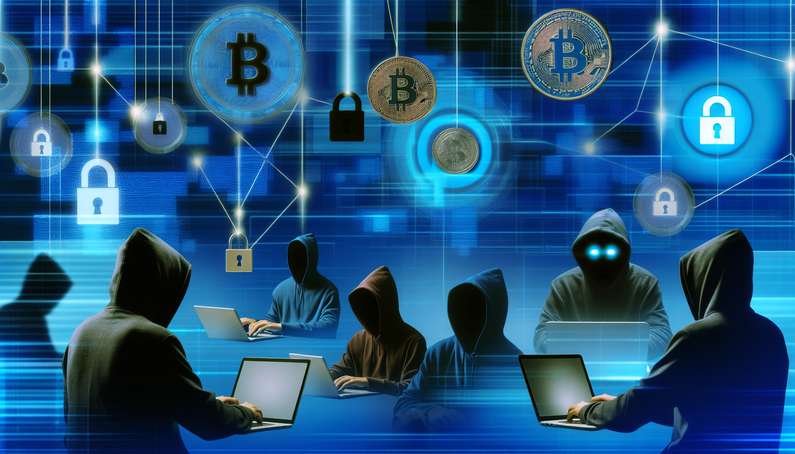
North Korean Cyber Infiltration: Identity Theft, Cryptocurrency Heists, and the Threat to U.S. Companies

North Korean hackers have turned the digital world into their playground, using a blend of stolen identities, cryptocurrency heists, and high-tech laptop farms to infiltrate U.S. companies. In a recent case, a Ukrainian national, Oleksandr Didenko, was found guilty of selling stolen American identities to North Korean IT workers, who then slipped into jobs at over 40 U.S. firms—right under the noses of HR departments (BleepingComputer). These operatives didn’t just stop at employment; they leveraged their access to orchestrate data breaches and siphon millions, with the Department of Justice reporting over $2.2 million funneled to the North Korean regime.
But the story doesn’t end with identity theft. North Korea’s APT38 group, linked to the infamous Lazarus hackers, has pulled off cryptocurrency heists totaling hundreds of millions—like the $382 million stolen from exchanges in Panama, Estonia, and Seychelles in 2023. Their tactics range from phishing and malware to exploiting platform vulnerabilities, followed by laundering the loot through crypto mixers and OTC traders. Meanwhile, laptop farms—clusters of high-powered computers often hidden in countries with weak cyber laws—fuel these operations, enabling everything from mass attacks to crypto mining. The result? U.S. companies face not only direct financial losses but also rising cybersecurity costs and shaken consumer trust (BleepingComputer).
Identity Theft and Its Role in Infiltration
Identity theft has been a pivotal tactic in North Korean infiltration of U.S. companies. The use of stolen identities allows North Korean operatives to bypass traditional security measures and gain employment in American firms. According to reports, individuals like Oleksandr Didenko played a significant role by stealing U.S. identities and selling them to overseas IT workers. These workers, posing as legitimate employees, were able to secure jobs at 40 different U.S. companies (BleepingComputer).
Techniques for Identity Theft
The process of identity theft involves several sophisticated techniques. Cybercriminals often use phishing attacks, malware, and social engineering to obtain personal information. Once acquired, this data is used to create fake profiles or to directly impersonate individuals. In the case of the North Korean infiltration, the stolen identities were crucial for bypassing background checks and securing employment in sensitive positions within U.S. companies.
Impact on U.S. Companies
The infiltration through identity theft has had severe repercussions for U.S. companies. The unauthorized access to company networks and systems has led to data breaches and financial losses. The Department of Justice reported that the actions of these infiltrators affected 136 companies nationwide, generating over $2.2 million in revenue for the North Korean regime (BleepingComputer).
Cryptocurrency Heists: A Lucrative Venture
Cryptocurrency theft has emerged as a lucrative venture for North Korean hackers. The decentralized and often anonymous nature of cryptocurrencies makes them an attractive target for cybercriminals. The APT38 threat group, linked to the Lazarus hacking group, has been at the forefront of these operations, orchestrating heists that have netted significant sums.
Notable Heists and Techniques
One of the most notable heists involved the theft of $382 million from cryptocurrency exchange platforms based in Panama, Estonia, and Seychelles in 2023. The APT38 group employed advanced techniques such as exploiting vulnerabilities in exchange platforms, using phishing attacks to gain access to administrative accounts, and deploying malware to siphon funds (BleepingComputer).
Laundering Stolen Cryptocurrency
Laundering the stolen cryptocurrency is a critical step in these operations. The hackers use cryptocurrency bridges, mixers, exchanges, and over-the-counter (OTC) traders to obscure the origin of the funds. This process involves converting the stolen cryptocurrency into different forms or currencies, making it difficult for authorities to trace. Despite these efforts, U.S. authorities have successfully traced and seized $15 million of the stolen funds, with ongoing efforts to intercept more (BleepingComputer).
The Role of Laptop Farms
Laptop farms have become an integral part of North Korean cyber operations. These setups involve a network of computers used to conduct large-scale cyberattacks and data mining operations. The farms are often located in countries with lax cybersecurity laws, providing a safe haven for these activities.
Functionality and Setup
The primary function of laptop farms is to facilitate mass cyber operations. They are equipped with high-performance computers connected to the internet through secure channels. These farms are used to launch coordinated attacks, mine cryptocurrencies, and manage stolen data. The setup often includes redundant systems to ensure operations continue even if some machines are compromised.
Contribution to Cyber Operations
Laptop farms contribute significantly to the efficiency and success of North Korean cyber operations. They provide the necessary infrastructure to conduct attacks on a global scale, allowing operatives to remain anonymous and undetected. The farms also enable continuous monitoring and management of ongoing operations, ensuring that any issues are promptly addressed.
The Economic Impact of Cyber Infiltration
The economic impact of North Korean cyber infiltration is substantial. The combination of identity theft, cryptocurrency heists, and the use of laptop farms has resulted in significant financial losses for U.S. companies and the global economy.
Financial Losses and Recovery Efforts
The financial losses from these cyber operations are staggering. The damages caused by the infiltration schemes between 2019 and 2022 amounted to $1.28 million, with additional losses from cryptocurrency thefts (BleepingComputer). Recovery efforts are ongoing, with authorities working to trace and seize stolen funds, as well as implement measures to prevent future attacks.
Broader Economic Implications
Beyond direct financial losses, the broader economic implications include increased cybersecurity costs for companies, loss of consumer trust, and potential impacts on stock prices. Companies are forced to invest heavily in cybersecurity measures to protect against future attacks, which can strain budgets and resources.
Strategies for Mitigating Cyber Threats
Mitigating the threat posed by North Korean cyber operations requires a multifaceted approach. Companies and governments must collaborate to strengthen cybersecurity measures and develop strategies to prevent and respond to cyberattacks.
Enhancing Cybersecurity Infrastructure
Enhancing cybersecurity infrastructure is crucial for preventing future infiltrations. This includes implementing advanced security protocols, conducting regular security audits, and investing in employee training to recognize and respond to cyber threats. Companies should also consider adopting zero-trust security models, which assume that threats could exist both inside and outside the network.
International Cooperation and Policy Development
International cooperation is essential for combating cyber threats on a global scale. Countries must work together to share intelligence, develop joint response strategies, and establish international cybersecurity standards. Policy development should focus on creating legal frameworks that facilitate cross-border collaboration and enable swift action against cybercriminals.
Public Awareness and Education
Raising public awareness and education about cyber threats is vital for prevention. Individuals and businesses must be informed about the risks and best practices for protecting personal and organizational data. Public awareness campaigns and educational programs can help build a more cyber-resilient society, reducing the effectiveness of identity theft and other cyber tactics used by North Korean operatives.
Final Thoughts
The saga of North Korean cyber infiltration is a wake-up call for organizations everywhere. By blending old-school identity theft with cutting-edge cyber tactics and leveraging emerging technologies like cryptocurrency and distributed computing, these hackers have rewritten the playbook for digital crime. The financial and reputational damage inflicted on U.S. companies is only part of the story—the broader implications include increased cybersecurity spending, evolving threat landscapes, and the urgent need for international cooperation. As authorities continue to trace stolen funds and dismantle laptop farms, the best defense remains a proactive, layered approach: robust security infrastructure, global intelligence sharing, and ongoing public education (BleepingComputer).
References
- Five plead guilty to helping North Koreans infiltrate US firms, 2024, BleepingComputer. https://www.bleepingcomputer.com/news/security/five-plead-guilty-to-helping-north-koreans-infiltrate-us-firms/




