MatrixPDF Toolkit: How Weaponized PDFs Are Escalating Phishing Threats

Imagine opening a seemingly harmless PDF, only to find yourself one click away from a phishing site or malware infection. The MatrixPDF Toolkit is making this scenario alarmingly common by allowing attackers—and even security professionals—to transform ordinary PDFs into sophisticated phishing lures. With features like interactive overlays, embedded JavaScript, and blurred content designed to mimic legitimate security prompts, MatrixPDF blurs the line between genuine documents and digital traps. Its drag-and-drop interface and real-time preview make it accessible even to those with minimal technical skills, while advanced options like metadata encryption and Gmail bypass mechanisms help these weaponized PDFs slip past even the most robust email security filters. The toolkit’s dual-use nature means it’s marketed both to cybercriminals and to organizations running phishing simulations, but its growing popularity on cybercrime forums and platforms like Telegram signals a rising threat for businesses and individuals alike (Varonis report).
Functionality of the MatrixPDF Toolkit
Interactive PDF Conversion
The MatrixPDF toolkit is designed to transform ordinary PDF files into interactive phishing lures. This conversion process involves embedding various interactive elements that can deceive users into engaging with malicious content. According to a report by Varonis, attackers can upload a legitimate PDF and add features like blurred content and clickable overlays. These overlays can redirect users to external URLs that host phishing pages or malware.
JavaScript Actions
One of the key functionalities of the MatrixPDF toolkit is its ability to embed JavaScript actions within the PDF. These actions can be triggered when a user opens the document or clicks on a button within the PDF. The embedded JavaScript can perform various malicious actions, such as opening a phishing website or executing a script to download malware. This feature significantly enhances the toolkit’s capability to bypass traditional email security measures and deliver payloads directly to the victim’s device.
Security Overlays and Blurred Content
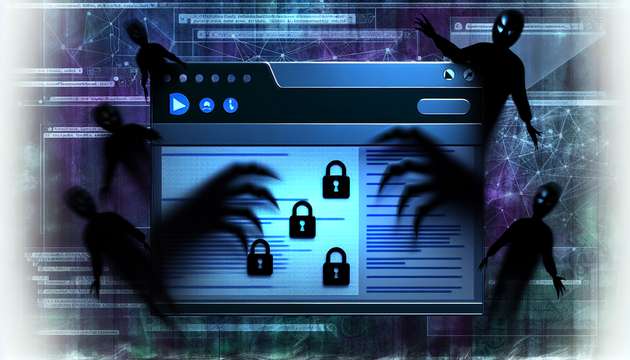
The toolkit also includes customizable security overlays and content blur features. These elements are designed to make the PDF appear more legitimate and secure to the user. The blurred content can give the impression that the document contains protected information, prompting the user to click on an “Open Secure Document” button. This action typically leads the user to a malicious website. The security overlays can be tailored to mimic real security prompts, further convincing the user of the document’s authenticity.
Phishing Simulation and Black Teaming
While the MatrixPDF toolkit is primarily used for malicious purposes, it is also marketed as a tool for phishing simulation and black teaming exercises. According to an advertisement shared with BleepingComputer, the toolkit is described as an elite tool for crafting realistic phishing scenarios. It offers features like drag-and-drop PDF import, real-time preview, and customizable security overlays to create professional-grade phishing simulations. This dual-use nature of the toolkit makes it a valuable asset for both attackers and cybersecurity professionals conducting penetration testing.
Pricing and Accessibility
The MatrixPDF toolkit is offered under various pricing plans, making it accessible to a wide range of users. Pricing ranges from $400 per month to $1,500 for an entire year, as noted in the Varonis report. This pricing strategy indicates that the toolkit is marketed not only to individual attackers but also to organizations and groups conducting cybersecurity training and simulations. The availability of the toolkit on cybercrime forums and through platforms like Telegram further highlights its accessibility and widespread use in the cybercriminal community.
Metadata Encryption and Gmail Bypass
In addition to its interactive features, the MatrixPDF toolkit includes built-in protections such as metadata encryption and Gmail bypass mechanisms. These features ensure that the modified PDFs can evade detection by email security systems and reach the intended victims. Metadata encryption helps conceal the document’s true nature, while the Gmail bypass mechanism allows the PDF to be delivered even through Google’s robust email security filters. These advanced features make the MatrixPDF toolkit a formidable tool in the hands of cybercriminals.
Secure Redirect Mechanism
The secure redirect mechanism is another critical feature of the MatrixPDF toolkit. It ensures that when a user clicks on a link within the PDF, they are redirected to a malicious site without raising suspicion. This mechanism can be configured to mimic legitimate redirection processes, making it difficult for users to discern the malicious intent. The secure redirect feature is particularly effective in phishing campaigns, where the goal is to harvest user credentials or distribute malware.
Real-time Preview and Customization
The MatrixPDF toolkit offers a real-time preview feature that allows attackers to see how their modifications will appear to the end-user. This feature, combined with extensive customization options, enables attackers to craft highly convincing phishing lures. Users can adjust the appearance of security overlays, modify the content blur, and configure JavaScript actions to create a tailored phishing experience. The real-time preview ensures that any changes made to the PDF are immediately visible, allowing for quick adjustments and refinements.
Drag-and-Drop PDF Import
The drag-and-drop PDF import feature simplifies the process of converting a legitimate PDF into a phishing lure. Users can easily upload a PDF and begin adding malicious elements without needing advanced technical skills. This user-friendly interface lowers the barrier to entry for potential attackers, making the MatrixPDF toolkit accessible to a broader audience. The simplicity of the drag-and-drop feature, combined with the toolkit’s powerful capabilities, makes it an attractive option for cybercriminals looking to conduct phishing campaigns.
Conclusion
The MatrixPDF toolkit represents a significant advancement in the field of phishing and malware distribution. Its ability to transform ordinary PDFs into interactive lures, combined with features like JavaScript actions, security overlays, and metadata encryption, makes it a potent tool for cybercriminals. While it is marketed as a tool for phishing simulation and cybersecurity training, its primary use remains in the realm of cybercrime. The toolkit’s accessibility and affordability further contribute to its widespread use, posing a significant threat to organizations and individuals alike.
Final Thoughts
The MatrixPDF Toolkit exemplifies how cybercriminals are leveraging user-friendly, feature-rich platforms to escalate phishing and malware campaigns. Its ability to mimic legitimate security features, evade detection, and deliver convincing lures underscores the need for heightened vigilance and continuous security training. As attackers adopt tools like MatrixPDF, organizations must adapt by educating users, updating security protocols, and staying informed about emerging threats. The line between red teaming and real-world attacks is thinner than ever, making awareness and proactive defense strategies essential (Varonis report).
References
- Varonis. (2024). New MatrixPDF toolkit turns PDFs into phishing and malware lures. https://www.bleepingcomputer.com/news/security/new-matrixpdf-toolkit-turns-pdfs-into-phishing-and-malware-lures/