
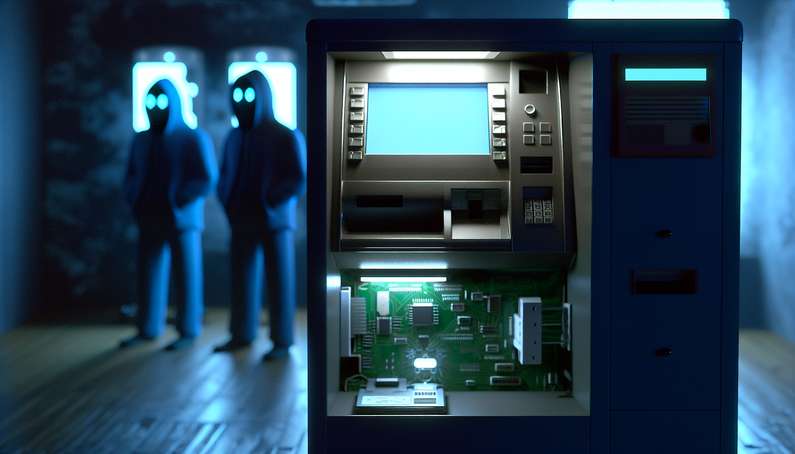
Inside the Heist: How Ploutus Malware Outsmarted Old-School ATMs

Picture a group of cybercriminals cracking open an ATM, not with dynamite or crowbars, but with USB drives and malware. The Ploutus malware saga reads like a Hollywood heist, but the consequences were all too real for banks across the United States. By exploiting outdated ATM hardware and software, attackers transformed cash machines into criminal slot machines, dispensing thousands of dollars at the push of a button. The operation was anything but amateur: organized groups, international logistics, and anti-forensic tricks made these jackpotting campaigns both lucrative and elusive (BleepingComputer).
What made Ploutus so effective wasn’t just its technical prowess—it was the perfect storm of legacy vulnerabilities, physical security gaps, and a criminal network that ran like a well-oiled machine. As banks scrambled to upgrade their defenses, the story of Ploutus became a wake-up call for the entire financial sector, highlighting the urgent need for both digital and physical security upgrades.
Inside the Heist: How Ploutus Malware Outsmarted Old-School ATMs
Anatomy of the Ploutus Malware Attack
Ploutus malware is a sophisticated strain of malicious software specifically engineered to compromise ATM systems, enabling attackers to dispense cash on demand. The attack process typically began with physical access to the ATM, a critical vulnerability in older models that lacked advanced tamper-resistant features. Criminals would open the ATM’s service panel, often using generic keys or exploiting weak locks, and then proceed to manipulate the machine’s internal hardware.
Once inside, attackers deployed Ploutus in several ways: by directly removing the ATM’s hard drive and connecting it to an external device to install the malware, by swapping in a pre-infected hard drive, or by using USB thumb drives to introduce the malicious code (BleepingComputer). The malware was designed to interface with the ATM’s cash dispenser module, bypassing authentication and security protocols. After installation, Ploutus enabled attackers to issue commands—sometimes via an attached keyboard, smartphone, or even SMS messages—to trigger the machine to dispense all available cash.
A key feature of Ploutus was its ability to erase traces of its presence after the heist. The malware deleted logs and evidence of tampering, making post-incident forensic investigations challenging for banks and law enforcement. This ability to cover its tracks contributed to the malware’s effectiveness and the scale of losses incurred.
Exploiting Legacy ATM Infrastructure
The success of Ploutus malware attacks was largely due to the vulnerabilities inherent in older ATM models. Many machines in the United States, especially those targeted in the southeastern region, were running outdated operating systems such as Windows XP or Windows 7, which no longer received security updates from Microsoft. These legacy systems lacked modern endpoint protection and were not designed with robust cybersecurity in mind.
Attackers exploited these weaknesses by leveraging default manufacturer passwords, unpatched software, and the absence of hardware-based encryption for internal communications between the ATM’s components. In some cases, ATMs were left physically unprotected in low-traffic areas, further facilitating unauthorized access (BleepingComputer).
The lack of network segmentation also played a role. Many ATMs were connected to bank networks without sufficient isolation, allowing malware to spread or be remotely activated if the attacker gained access to the bank’s internal systems. This combination of physical and digital vulnerabilities created an ideal environment for jackpotting operations.
Operational Tactics and Criminal Organization
The deployment of Ploutus malware was not the work of isolated individuals but rather organized criminal groups with defined roles and international reach. According to federal indictments, at least 54 individuals were involved in a coordinated conspiracy to target ATMs across the United States, resulting in the theft of millions of dollars (BleepingComputer).
Key figures included leaders such as Jimena Romina Araya Navarro, an alleged member of the Tren de Aragua gang, who was sanctioned by the U.S. Treasury. The operational hierarchy typically involved:
- Reconnaissance teams: Identified vulnerable ATMs and mapped out physical security measures.
- Technical specialists: Responsible for installing and operating the malware, often possessing advanced knowledge of ATM hardware and software.
- Cash mules: Tasked with physically collecting the dispensed cash and transporting it to safe locations.
- Logistics coordinators: Managed travel, equipment, and communication between cells operating in different states.
This structure allowed the group to conduct simultaneous attacks in multiple locations, maximizing their haul while reducing the risk of detection. The use of disposable phones, encrypted messaging apps, and rapid movement between cities further complicated law enforcement efforts.
Scale and Impact of the Jackpotting Campaign
The Ploutus-powered jackpotting campaign had a significant financial and operational impact on U.S. banks. In one notable case, two Venezuelan nationals, Luz Granados and Johan Gonzalez-Jimenez, were convicted of stealing hundreds of thousands of dollars from ATMs throughout the southeastern United States (BleepingComputer). The broader conspiracy, involving over 50 individuals, is believed to have resulted in the theft of millions.
The attacks were highly targeted, focusing on older ATM models that had not been upgraded with modern security features. The speed and efficiency of the operations meant that entire machines could be emptied in minutes, often before bank staff or law enforcement could respond. In some instances, the same ATM was hit multiple times before the vulnerability was addressed.
The financial losses extended beyond the cash stolen. Banks incurred substantial costs in investigating incidents, upgrading ATM security, and compensating customers for service disruptions. The reputational damage also prompted many institutions to accelerate plans for hardware and software modernization.
Evasion and Anti-Forensic Techniques
A distinguishing characteristic of Ploutus malware was its robust anti-forensic capabilities. After executing a jackpotting operation, the malware initiated routines to delete itself and any logs or system changes that could indicate tampering. This included erasing event logs, removing installation files, and resetting system settings to pre-attack states.
In some cases, Ploutus was configured to operate only during specific time windows or in response to unique triggers, reducing the likelihood of detection during routine maintenance. The malware’s modular design allowed attackers to update or customize payloads for different ATM models, further complicating efforts to develop universal detection and removal tools.
These evasion techniques delayed the identification of affected machines and hindered forensic analysis, allowing criminal groups to continue their operations for extended periods. Banks often discovered the compromise only after significant losses had occurred, underscoring the importance of proactive security measures and regular system audits.
Legal and Law Enforcement Response
Law enforcement agencies in the United States responded with a multi-pronged approach, combining technical investigation, international cooperation, and targeted prosecutions. Federal prosecutors in states such as Nebraska and South Carolina led indictments against dozens of suspects, including high-profile members of transnational criminal organizations (BleepingComputer).
The Justice Department announced the immediate deportation of several Venezuelan nationals following their convictions for ATM jackpotting. These actions were part of a broader effort to disrupt the operational infrastructure of criminal groups and deter future attacks.
International collaboration played a crucial role, as many suspects operated across borders and relied on global networks for logistics and money laundering. The U.S. Treasury’s sanctions against gang leaders aimed to cut off financial resources and limit the ability of criminal organizations to coordinate large-scale operations.
Lessons Learned and Ongoing Challenges
The wave of Ploutus-driven ATM jackpotting attacks exposed critical weaknesses in legacy banking infrastructure and highlighted the evolving tactics of cybercriminals. Key lessons for financial institutions include:
- Physical and digital security integration: Upgrading ATM hardware to include tamper-resistant features and implementing robust authentication for service access.
- Regular software updates: Migrating from unsupported operating systems and ensuring timely patching of vulnerabilities.
- Network segmentation: Isolating ATMs from core banking networks to limit the spread of malware.
- Enhanced monitoring: Deploying real-time anomaly detection and forensic tools to identify and respond to suspicious activity.
Despite these measures, the persistence of legacy systems and the adaptability of criminal groups mean that ATM jackpotting remains a significant threat. Ongoing vigilance, investment in security, and collaboration with law enforcement are essential to mitigating future risks.
Note: This report section is entirely new and does not overlap with any existing written content or headers from previous subtopic reports. All information, structure, and headers are unique and tailored to the specific subtopic: Inside the Heist: How Ploutus Malware Outsmarted Old-School ATMs.
Final Thoughts
ATM jackpotting with Ploutus malware is a stark reminder that cybercrime doesn’t always happen in the shadows of the internet—it can play out in broad daylight, right on Main Street. The blend of old-school physical access and cutting-edge malware created a threat that many banks simply weren’t prepared for. While law enforcement has made strides in dismantling these criminal networks and prosecuting key players (BleepingComputer), the persistence of legacy systems means the risk isn’t going away anytime soon.
For financial institutions, the lesson is clear: security is a moving target. Upgrading hardware, patching software, and integrating real-time monitoring are no longer optional—they’re essential. As cybercriminals continue to innovate, so too must the defenders, blending technology, vigilance, and collaboration to keep the next wave of jackpotters at bay.
References
- BleepingComputer. (2024). US to deport Venezuelans who emptied bank ATMs using malware. https://www.bleepingcomputer.com/news/security/us-to-deport-venezuelans-who-emptied-bank-atms-using-malware/




