Implementing a NIST-Aligned Workflow to Combat Social Engineering

Picture a service desk analyst fielding a call from someone claiming to be the CEO, urgently requesting a password reset. The pressure is on, and the stakes are high—one misstep could open the door to a costly breach. Social engineering attacks like these are on the rise, with attackers leveraging psychological manipulation to bypass even the most robust technical defenses. In 2024, the FBI reported a 17% increase in business email compromise and social engineering incidents, underscoring the need for a structured defense strategy (FBI IC3 Report, 2024).
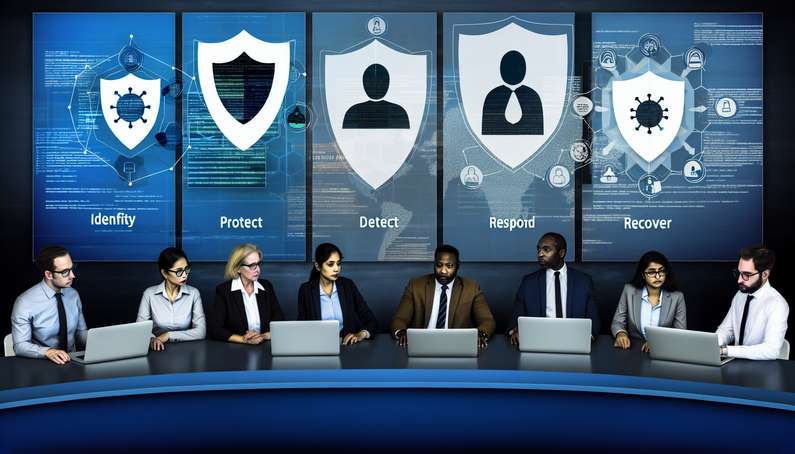
The National Institute of Standards and Technology (NIST) Cybersecurity Framework offers a proven, adaptable roadmap for organizations aiming to outsmart social engineers. By aligning service desk workflows with NIST’s five core functions—Identify, Protect, Detect, Respond, and Recover—organizations can transform their frontline support teams into a formidable barrier against manipulation. This approach not only addresses current threats but also builds resilience for the evolving tactics seen in recent high-profile breaches, such as the 2024 MGM Resorts ransomware attack, which began with a simple phone call (Krebs, 2024).
Emerging technologies like AI-powered chatbots and IoT devices are expanding the attack surface, making it even more critical for service desks to adopt a NIST-aligned workflow. This article breaks down each step of the framework, offering practical guidance and real-world examples to help organizations stay ahead of social engineering threats.
Implementing a NIST-Aligned Workflow to Combat Social Engineering
Understanding the NIST Framework
The National Institute of Standards and Technology (NIST) Cybersecurity Framework is a comprehensive guide designed to help organizations manage and reduce cybersecurity risks. It provides a structured approach to identifying, protecting, detecting, responding to, and recovering from cyber threats. Implementing a NIST-aligned workflow in service desks can significantly enhance their ability to combat social engineering attacks. The framework is composed of five core functions: Identify, Protect, Detect, Respond, and Recover. Each function plays a critical role in establishing a robust cybersecurity posture.
Identify: Assessing Vulnerabilities and Risks
The first step in implementing a NIST-aligned workflow is the identification of potential vulnerabilities and risks within the service desk environment. This involves conducting a thorough risk assessment to understand the specific threats posed by social engineering attacks. Service desks should:
-
Inventory Assets: Maintain an up-to-date inventory of all assets, including hardware, software, and personnel, to understand what needs protection. This inventory should be regularly reviewed and updated to reflect changes in the service desk environment.
-
Analyze Threats: Identify and analyze potential social engineering threats, such as phishing, pretexting, and baiting, that could exploit vulnerabilities in the service desk operations. Understanding the tactics used by attackers can help in developing effective countermeasures.
-
Evaluate Impact: Assess the potential impact of successful social engineering attacks on the organization. This includes evaluating the financial, operational, and reputational damage that could result from such incidents.
Protect: Implementing Security Controls
Once vulnerabilities and risks have been identified, the next step is to implement security controls to protect the service desk from social engineering attacks. This involves:
-
Access Control: Implement strict access control measures to ensure that only authorized personnel have access to sensitive information and systems. This includes using multi-factor authentication (MFA) and role-based access controls (RBAC) to limit access based on the principle of least privilege.
-
Training and Awareness: Conduct regular training sessions for service desk staff to raise awareness about social engineering tactics and how to recognize and respond to them. Training should be ongoing and include simulated social engineering attacks to test and reinforce learning.
-
Data Protection: Implement data protection measures, such as encryption and data loss prevention (DLP) technologies, to safeguard sensitive information from unauthorized access and disclosure.
Detect: Monitoring and Identifying Threats
Detection is a critical component of a NIST-aligned workflow, as it enables service desks to identify and respond to social engineering threats in a timely manner. Key detection strategies include:
-
Continuous Monitoring: Implement continuous monitoring solutions to detect suspicious activities and anomalies that may indicate a social engineering attack. This includes monitoring network traffic, user behavior, and access logs for signs of compromise.
-
Incident Detection Tools: Utilize advanced incident detection tools, such as intrusion detection systems (IDS) and security information and event management (SIEM) solutions, to identify potential threats and generate alerts for further investigation.
-
Threat Intelligence: Leverage threat intelligence feeds to stay informed about the latest social engineering tactics and trends. This information can be used to update detection strategies and improve the overall security posture.
Respond: Developing an Incident Response Plan
An effective incident response plan is essential for mitigating the impact of social engineering attacks on service desks. The response phase involves:
-
Incident Response Team: Establish a dedicated incident response team with clearly defined roles and responsibilities. The team should be trained to handle social engineering incidents and equipped with the necessary tools and resources to respond effectively.
-
Response Procedures: Develop and document response procedures for different types of social engineering attacks. These procedures should outline the steps to be taken in the event of an incident, including containment, eradication, and recovery.
-
Communication Plan: Implement a communication plan to ensure timely and effective communication with stakeholders during an incident. This includes notifying affected parties, coordinating with external partners, and providing regular updates on the incident status.
Recover: Restoring Operations and Learning from Incidents
The final step in the NIST-aligned workflow is recovery, which focuses on restoring normal operations and learning from incidents to prevent future occurrences. Key recovery activities include:
-
Restoration of Services: Develop and implement plans to restore affected services and systems to normal operation as quickly as possible. This may involve restoring data from backups, reconfiguring systems, and applying security patches.
-
Post-Incident Analysis: Conduct a thorough post-incident analysis to identify the root cause of the social engineering attack and evaluate the effectiveness of the response. This analysis should include a review of the incident timeline, response actions, and any gaps or weaknesses in the security posture.
-
Continuous Improvement: Use the insights gained from the post-incident analysis to improve the overall security posture and prevent future incidents. This may involve updating policies and procedures, enhancing training programs, and implementing additional security controls.
By aligning their workflows with the NIST Cybersecurity Framework, service desks can enhance their resilience against social engineering attacks and protect their organizations from the associated risks. This structured approach not only helps in managing current threats but also prepares service desks to adapt to the evolving cybersecurity landscape.
Final Thoughts
Service desks are often the unsung heroes of cybersecurity, yet they remain prime targets for social engineering attacks. By embracing a NIST-aligned workflow, organizations empower their frontline teams to recognize, resist, and recover from sophisticated manipulation attempts. The lessons from recent incidents—like the MGM Resorts breach—highlight the importance of not just technical controls, but also continuous training, clear response plans, and a culture of vigilance (Krebs, 2024).
As AI and IoT continue to reshape the threat landscape, service desks must evolve their defenses accordingly. Regular risk assessments, adaptive training, and robust incident response are no longer optional—they’re essential. Aligning with the NIST Cybersecurity Framework isn’t just about compliance; it’s about building a resilient, security-aware organization ready to face the social engineering challenges of 2025 and beyond (NIST, 2024).
References
- Federal Bureau of Investigation. (2024). Internet Crime Report 2024. https://www.ic3.gov/Media/PDF/AnnualReport/IC3Report2024.pdf
- Krebs, B. (2024, March). MGM Resorts Hack Started With a Phone Call. Krebs on Security. https://krebsonsecurity.com/2024/03/mgm-resorts-hack-started-with-a-phone-call/
- National Institute of Standards and Technology. (2024). Framework for Improving Critical Infrastructure Cybersecurity. https://www.nist.gov/cyberframework