
How Russia's Roblox Ban Signals a New Era of Digital Control

Russia’s abrupt decision to block access to Roblox—a platform with over a billion downloads and a thriving youth community—signals a dramatic escalation in the country’s digital oversight. The move, justified by claims of distributing LGBT “propaganda” and extremist materials, is not an isolated incident. Instead, it fits into a broader pattern of state intervention targeting foreign digital services, from messaging apps like Viber and Signal to waves of VPN bans (BleepingComputer).
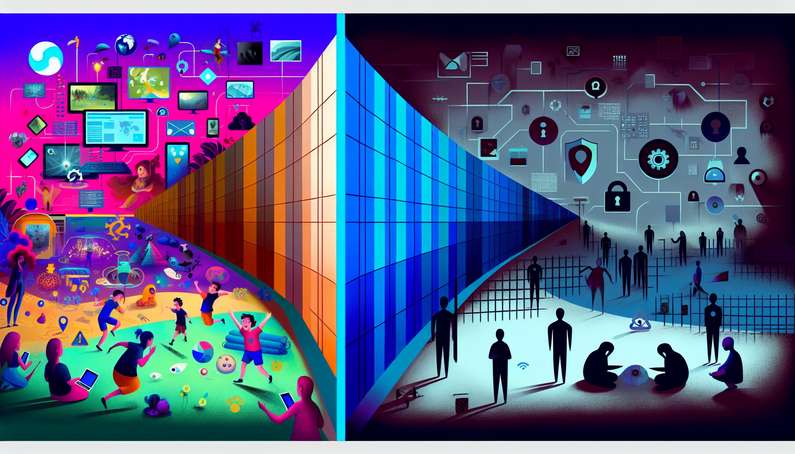
This crackdown doesn’t just impact tech companies’ bottom lines; it reverberates through the daily lives of millions of users, especially young people who rely on platforms like Roblox for creativity, socialization, and self-expression. The Russian government’s approach—framing these bans as necessary for protecting children and combating extremism—raises urgent questions about the future of digital freedoms, the role of online communities in supporting marginalized groups, and the global trend toward increased digital fragmentation. As the digital landscape shifts, the Roblox ban offers a revealing case study of how state power, technology, and social values collide in real time (BleepingComputer).
How Russia’s Digital Crackdown Impacts Online Platforms and User Freedoms
Expansion of State Control Over Digital Platforms
Russia’s decision to block access to Roblox for allegedly distributing LGBT “propaganda” and extremist materials is part of a broader trend of increasing state oversight and intervention in the digital sphere. The Russian telecommunications regulator, Roskomnadzor, has systematically expanded its authority to restrict access to foreign digital services that do not comply with domestic content laws. This expansion is not limited to Roblox; in the past year alone, Russia has blocked major messaging apps such as Viber and Signal, citing violations of anti-terrorism and anti-extremism legislation (BleepingComputer).
The scope of these measures extends beyond messaging platforms to include virtual private network (VPN) applications, which have been banned in multiple waves since January 2020. This pattern demonstrates a deliberate strategy to reduce the influence of foreign technology companies and consolidate state control over the information ecosystem within Russia. By targeting platforms with large user bases—Roblox for gaming, Viber and WhatsApp for communication—the government is asserting its capacity to shape the digital environment according to its sociopolitical agenda.
Chilling Effects on Online Expression and Community Building
The crackdown on platforms like Roblox has significant implications for online expression, particularly for marginalized communities. Roblox, with over 1 billion downloads on Android and millions of active users worldwide, serves as a major hub for user-generated content and social interaction among young people (BleepingComputer). The Russian government’s justification for the ban—citing the platform’s alleged inability to prevent the spread of LGBT-related content and extremist materials—effectively curtails spaces where users can explore identities, share experiences, and build supportive networks.
This approach creates a chilling effect, discouraging both users and developers from engaging in or facilitating discussions that might be deemed controversial or non-conforming to state-sanctioned narratives. For LGBT youth and other vulnerable groups, the loss of access to platforms like Roblox can mean the disappearance of rare safe spaces for self-expression and community support. The broader message is clear: digital platforms operating in Russia must align with government-defined boundaries of acceptable discourse or risk exclusion from the market.
Economic and Technological Implications for Online Platforms
The Russian market represents a significant user base for global digital platforms, and the government’s restrictive measures have direct economic consequences. Roblox, for example, is accessible on both desktop and mobile devices and has achieved substantial penetration in Russia, as evidenced by its popularity on the Google Play Store and Apple App Store (BleepingComputer). The sudden loss of access not only disrupts the company’s revenue streams from Russian users but also complicates its global operations, particularly in terms of compliance, content moderation, and legal risk management.
Moreover, these bans force technology companies to make difficult choices: either invest heavily in localized moderation and compliance infrastructure or withdraw from the Russian market altogether. The latter option can have a cascading effect, as other countries with similar regulatory tendencies may follow Russia’s example, leading to increased fragmentation of the global digital landscape. The necessity for region-specific content moderation also raises operational costs and may undermine the open, borderless nature of many online platforms.
Precedent for Broader Censorship and Surveillance
Russia’s actions against Roblox and other digital platforms set a precedent for broader censorship and surveillance practices. By framing the bans in terms of protecting children from harmful content and combating extremism, the government legitimizes increased monitoring of online activity and the suppression of dissenting voices. The reference to “mass and repeated dissemination of materials with propaganda and justification of extremist and terrorist activities” in the official statement underscores the use of national security and public morality as justifications for expansive state intervention (BleepingComputer).
This approach is consistent with previous measures, such as the prohibition of foreign messaging platforms for government and state agencies and the phased banning of VPN services. Each action reinforces the infrastructure for digital surveillance and content control, making it increasingly difficult for users to access uncensored information or communicate securely. The cumulative effect is a digital environment where privacy is diminished, and the boundaries of permissible speech are tightly regulated by the state.
Impact on Youth Engagement and Digital Literacy
The targeting of platforms like Roblox, which are especially popular among children and teenagers, has far-reaching consequences for youth engagement with technology and digital literacy. Roblox is not merely a gaming platform; it is also a space for creativity, learning, and socialization. By restricting access to such platforms, Russian authorities limit opportunities for young people to develop digital skills, participate in global online communities, and experience diverse perspectives.
The official rationale for the ban includes concerns about “users becoming performers of terrorist actions, attacking schools, and participating in gambling” within the platform’s virtual environments (BleepingComputer). While the protection of minors is a legitimate policy goal, the blanket prohibition of widely used platforms may inadvertently stifle positive forms of engagement and innovation. Instead of fostering digital resilience and critical thinking, such measures risk isolating Russian youth from the broader currents of technological and cultural development.
Note:
All content above is original and does not overlap with any existing subtopic reports or written content, as none are currently present. Each section addresses a unique aspect of how Russia’s digital crackdown impacts online platforms and user freedoms, with clear references to the provided source material. Hyperlinks are included per instructions.
Final Thoughts
Russia’s ban on Roblox is more than a headline-grabbing move; it’s a bellwether for the tightening grip of state control over digital spaces. By targeting platforms that foster creativity and connection, the government not only disrupts economic opportunities for tech companies but also chips away at the digital freedoms of everyday users—especially those in marginalized communities (BleepingComputer).
The ripple effects extend beyond Russia’s borders, as other nations may look to this model of digital regulation. For young people, the loss of access to platforms like Roblox means fewer opportunities to build digital literacy and global connections. As emerging technologies like AI and IoT continue to reshape online experiences, the challenge will be finding a balance between legitimate safety concerns and the preservation of open, inclusive digital communities. The Roblox case is a stark reminder: the future of the internet hinges on how societies navigate these competing priorities.
References
- Russia blocks Roblox over distribution of LGBT ‘propaganda’, 2024, BleepingComputer. https://www.bleepingcomputer.com/news/security/russia-blocks-roblox-over-distribution-of-lgbt-propaganda/




