
How Phishing Campaigns Hijack Your Bank Login: The Tech Behind the Takedown

Imagine searching for your bank online, clicking the top result, and unknowingly handing your credentials to cybercriminals. This is the reality for thousands of U.S. banking customers targeted by sophisticated phishing campaigns that blend technical trickery with psychological manipulation. The FBI’s recent seizure of the domain ‘web3adspanels.org’ exposed a sprawling infrastructure designed to harvest and store stolen bank logins, all orchestrated through convincing fake ads and portals (BleepingComputer).
These attacks aren’t just about clever emails anymore. Cybercriminals now leverage search engine advertising, backend automation, and even Phishing-as-a-Service (PhaaS) platforms to scale their operations. The result? At least $14.6 million in confirmed losses, with attempted thefts nearly doubling that figure, and over 5,100 complaints filed with the Internet Crime Complaint Center in 2025 alone. The FBI’s takedown, achieved through international cooperation and digital forensics, offers a rare glimpse into the mechanics of modern phishing and the ongoing battle to protect online banking (BleepingComputer).
How Phishing Campaigns Hijack Your Bank Login: The Tech Behind the Takedown
Anatomy of a Modern Phishing Attack
Phishing campaigns targeting U.S. banking customers have evolved into highly sophisticated operations, leveraging a combination of social engineering, technical subterfuge, and digital advertising platforms. In the case investigated by the FBI, cybercriminals orchestrated widespread campaigns that exploited search engine advertising to lure unsuspecting victims (BleepingComputer). Attackers purchased sponsored ads on major search engines such as Google and Bing, which appeared above legitimate search results. These ads impersonated well-known banking institutions, tricking users into clicking on malicious links.
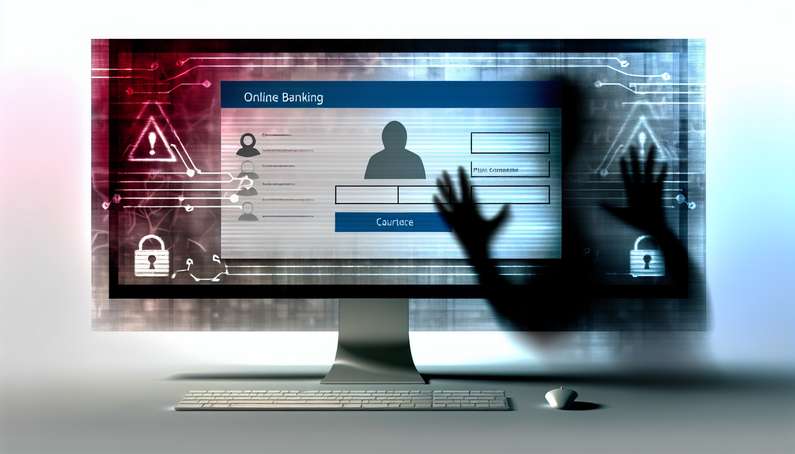
Once a potential victim clicked the ad, they were redirected to a counterfeit banking portal meticulously designed to mimic the appearance and functionality of the real site. These fake portals harvested login credentials and other sensitive information, which was then transmitted to backend servers controlled by the attackers. The FBI’s takedown of the domain ‘web3adspanels.org’ revealed that this infrastructure was used to aggregate and store thousands of stolen credentials, enabling subsequent account takeover attacks.
Backend Infrastructure: From Phishing Pages to Credential Harvesting
The backend infrastructure supporting these phishing operations is both resilient and scalable. Attackers deploy a network of servers and domains, often registered in jurisdictions with lax oversight, to host phishing pages and collect stolen data. In the FBI’s operation, the seized domain hosted a backend server that remained active as recently as November 2025, storing a database of compromised credentials (BleepingComputer). The server was configured to receive data from multiple phishing campaigns, centralizing the stolen information for easy access by the perpetrators.
To evade detection and takedown efforts, cybercriminals frequently rotate domains, utilize bulletproof hosting services, and employ encrypted communication channels. The backend systems are often automated, allowing attackers to quickly process large volumes of credentials and deploy them in subsequent fraudulent activities, such as unauthorized wire transfers or the sale of login data on underground forums.
Social Engineering Tactics and User Manipulation
A critical component of these phishing campaigns is the use of advanced social engineering techniques. Attackers carefully craft emails, text messages, and advertisements that exploit common psychological triggers—such as urgency, fear, or the promise of financial gain. In the campaigns observed by the FBI, fraudulent ads were tailored to appear indistinguishable from legitimate banking promotions, increasing the likelihood that users would trust and interact with them (BleepingComputer).
Phishing sites often incorporate real-time validation scripts that mimic the behavior of genuine banking portals, including multi-factor authentication prompts. This level of detail not only enhances the credibility of the attack but also enables the collection of secondary authentication factors, such as one-time passcodes sent via SMS or email. As a result, even users who employ basic security measures can be compromised if they are not vigilant.
Financial Impact and Scale of the Attacks
The scope and financial impact of these phishing campaigns are substantial. According to the FBI and Department of Justice, at least 19 victims—including two companies in the Northern District of Georgia—suffered actual losses totaling approximately $14.6 million, with attempted losses reaching $28 million (BleepingComputer). These figures underscore the effectiveness and reach of the attackers’ methods. The Internet Crime Complaint Center (IC3) received over 5,100 complaints related to bank account takeovers since January 2025, with reported losses exceeding $262 million.
The centralized storage of stolen credentials on domains like ‘web3adspanels.org’ enabled attackers to coordinate large-scale account takeovers, often targeting multiple institutions simultaneously. Stolen credentials were used to initiate fraudulent transactions, transfer funds, and access sensitive customer information. The rapid monetization of compromised accounts further complicated recovery efforts for both victims and financial institutions.
International Collaboration and Technical Forensics
The successful takedown of the phishing infrastructure was the result of coordinated efforts between U.S. law enforcement and international partners, including Estonian authorities (BleepingComputer). Technical forensics played a pivotal role in identifying and seizing the domain. Investigators analyzed network traffic, domain registration records, and backend server logs to trace the flow of stolen data and attribute the infrastructure to specific threat actors.
The seized domain now displays a law enforcement banner, signaling its neutralization and serving as a warning to other cybercriminals. While no arrests have been made as of December 24, 2025, ongoing analysis of the seized servers may yield further intelligence on the identities and methods of the attackers. The operation highlights the importance of cross-border cooperation and advanced digital forensics in disrupting complex cybercrime networks.
Defensive Strategies and User Countermeasures
In response to the surge in phishing attacks leveraging search engine ads, cybersecurity experts recommend several defensive strategies for both individuals and organizations. Users are advised to bookmark official banking portals and avoid accessing financial sites through search engine results or sponsored links (BleepingComputer). The use of reputable ad blockers can further reduce exposure to malicious advertisements.
Financial institutions are encouraged to implement robust anomaly detection systems capable of identifying suspicious login patterns and account activity. Multi-factor authentication, while not foolproof, remains a critical layer of defense. Ongoing user education campaigns are essential to raise awareness of evolving phishing tactics and promote best practices for online security.
Evolution of Phishing-as-a-Service Platforms
A notable trend in the cybercrime ecosystem is the rise of Phishing-as-a-Service (PhaaS) platforms, which lower the barrier to entry for aspiring attackers. These platforms provide ready-made phishing kits, hosting services, and technical support, enabling even non-technical actors to launch effective campaigns. The FBI’s investigation into the ‘web3adspanels.org’ domain revealed that the backend infrastructure was designed to integrate with such PhaaS offerings, streamlining the process of credential harvesting and monetization (BleepingComputer).
PhaaS platforms often include features such as automated email distribution, real-time credential validation, and integration with cryptocurrency payment systems for laundering proceeds. This industrialization of phishing operations has contributed to the scale and persistence of attacks targeting U.S. banking customers.
Technical Dissection: Fake Banking Portal Construction
The construction of convincing fake banking portals requires a blend of technical skill and psychological insight. Attackers clone the HTML, CSS, and JavaScript assets of legitimate banking sites, ensuring that the visual layout, branding, and interactive elements match the original. Advanced phishing kits may even proxy traffic between the victim and the real bank, capturing credentials in real time while displaying legitimate account information to the user.
These portals often employ SSL certificates to display the padlock icon in the browser, further deceiving users into believing the site is secure. Some phishing sites dynamically generate URLs based on the target institution or user, making detection and takedown more challenging for defenders. The backend systems are programmed to immediately relay captured credentials to centralized databases, minimizing the window of opportunity for victims to detect and respond to the compromise.
Law Enforcement Response and Banner Deployment
Following the seizure of malicious domains, law enforcement agencies deploy banners on the confiscated sites to inform the public and deter future criminal activity. The banner displayed on ‘web3adspanels.org’ serves both as a notification of the domain’s seizure and as a warning to other cybercriminals operating similar infrastructure (BleepingComputer). This practice disrupts the attackers’ operations by eliminating a key component of their credential harvesting pipeline and signaling increased law enforcement scrutiny.
The analysis of seized servers provides valuable intelligence on phishing methodologies, infrastructure, and potential links to other cybercrime operations. This intelligence is shared with financial institutions and cybersecurity firms to bolster collective defenses against future campaigns.
Recommendations for Search Engine Providers
Given the role of search engine advertising in facilitating phishing attacks, there is growing pressure on providers like Google and Bing to enhance their vetting processes for sponsored content. Improved detection algorithms, stricter verification of advertisers, and rapid takedown procedures are critical to reducing the prevalence of malicious ads. Collaboration between search engine companies, law enforcement, and the cybersecurity community is essential to disrupt the advertising-based delivery of phishing campaigns.
Search engines are also encouraged to provide clearer warnings to users about the risks associated with clicking on sponsored results, particularly for sensitive categories such as banking and financial services. Enhanced user reporting mechanisms can aid in the swift identification and removal of fraudulent ads.
Ongoing Threat Landscape and Future Outlook
The takedown of ‘web3adspanels.org’ represents a significant victory in the fight against banking credential theft, but the threat landscape continues to evolve. Cybercriminals rapidly adapt to law enforcement actions by shifting to new domains, refining their tactics, and leveraging emerging technologies such as artificial intelligence to craft more convincing phishing lures. The continued proliferation of PhaaS platforms and the commoditization of credential theft tools ensure that phishing will remain a persistent threat to U.S. banking customers.
Ongoing vigilance, international cooperation, and investment in advanced detection and response capabilities are essential to mitigating the impact of future campaigns. The lessons learned from the FBI’s investigation provide a blueprint for disrupting similar operations and safeguarding the integrity of online banking systems.
Final Thoughts
The FBI’s takedown of ‘web3adspanels.org’ is a milestone in the fight against credential theft, but it’s far from the endgame. As phishing tactics evolve—fueled by PhaaS platforms and emerging technologies like AI—attackers continue to find new ways to exploit both technology and human psychology. The scale of recent losses and the speed at which criminals adapt underscore the need for constant vigilance, smarter detection tools, and robust user education (BleepingComputer).
For individuals, simple steps like bookmarking your bank’s official site and using ad blockers can make a world of difference. For organizations and search engine providers, collaboration and proactive defense are essential. The lessons from this case highlight not just the risks, but also the power of coordinated response and innovation in keeping our digital finances safe.
References
- FBI seizes domain storing bank credentials stolen from US victims. (2025). BleepingComputer. https://www.bleepingcomputer.com/news/security/fbi-seizes-domain-storing-bank-credentials-stolen-from-us-victims/




