Europol’s ‘SIMCARTEL’ Takedown: A Blueprint for Global Cybercrime Defense

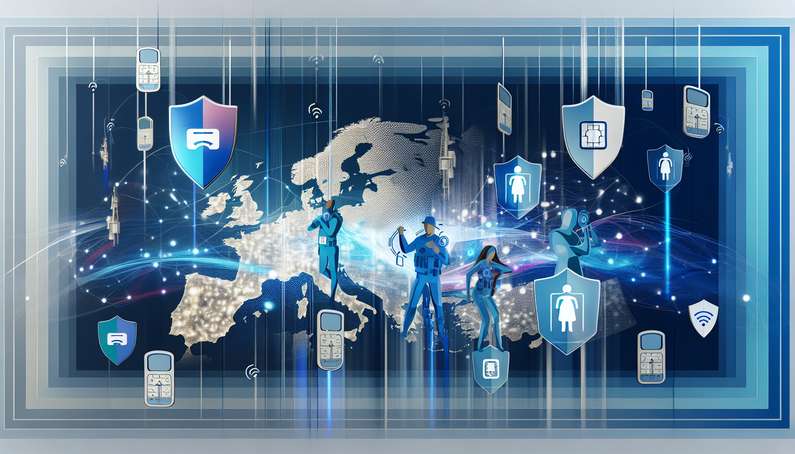
Europol’s recent takedown of a sprawling SIM box operation, codenamed ‘SIMCARTEL,’ reads like a cyber-thriller—except the stakes are real, and the impact is global. This operation, which spanned Austria, Estonia, Finland, and Latvia, exposed how cybercriminals rent out phone numbers to fuel scams ranging from phishing to extortion. The scale is staggering: authorities seized 1,200 SIM-box devices and 40,000 SIM cards, revealing just how deeply these operations can infiltrate telecommunication networks. What makes this case especially notable is the seamless teamwork between law enforcement agencies and private partners like the Shadowserver Foundation, setting a new standard for international and public-private collaboration in cybersecurity (Bleeping Computer).
Beyond the headlines, the operation shines a spotlight on vulnerabilities in telecom infrastructure, the need for robust forensic analysis, and the urgent call for updated legal frameworks. As cybercriminals become more sophisticated—leveraging everything from SIM boxes to AI-driven attacks—defenders must adapt just as quickly. The lessons from ‘SIMCARTEL’ are clear: only through collaboration, innovation, and vigilance can we hope to stay ahead of the next big cyber threat (Bleeping Computer).
Implications for Cybersecurity
Enhanced Law Enforcement Collaboration
The dismantling of the SIM box operation by Europol highlights the importance of international collaboration in combating cybercrime. The operation, codenamed ‘SIMCARTEL’, involved law enforcement agencies from Austria, Estonia, Finland, and Latvia, demonstrating a coordinated effort across borders to tackle complex cybercriminal networks. This collaboration is crucial as cybercrime often transcends national boundaries, requiring a unified approach to effectively dismantle operations that exploit digital infrastructure for illegal activities. Europol’s partnership with the Shadowserver Foundation further emphasizes the role of public-private partnerships in enhancing cybersecurity measures. By pooling resources and expertise, these collaborations can lead to more effective detection, prevention, and dismantling of cybercriminal activities (Bleeping Computer).
Impact on Telecommunication Security
The operation revealed vulnerabilities within telecommunication networks that can be exploited through SIM box operations. These operations involve the use of SIM cards to generate phone numbers for fraudulent activities, such as phishing, investment fraud, impersonation, and extortion. The seizure of 1,200 SIM-box devices and 40,000 SIM cards underscores the scale at which these operations can operate, posing significant threats to telecommunication security. The ability of cybercriminals to rent numbers for illicit purposes highlights the need for telecommunication companies to implement stricter controls and monitoring systems to detect and prevent such abuses. Strengthening authentication processes and enhancing the traceability of SIM card usage can mitigate the risks associated with SIM box operations (Bleeping Computer).
Forensic Analysis and Data Recovery
The seizure of servers during the operation presents an opportunity for forensic analysis, which can provide valuable insights into the workings of the cybercriminal network. By analyzing the data stored on these servers, investigators can identify the customers of the illegal services and potentially uncover additional criminal activities linked to the operation. This forensic analysis is crucial for understanding the full extent of the operation’s impact and for identifying other networks that may be using similar methods. The data recovered can also aid in the development of more robust cybersecurity measures to prevent future occurrences of similar operations (Bleeping Computer).
Legal and Regulatory Implications
The dismantling of the SIM box operation raises important questions about the legal and regulatory frameworks governing telecommunication services. The operation exploited gaps in existing regulations, allowing cybercriminals to rent numbers for illegal activities. This highlights the need for governments and regulatory bodies to review and update their policies to address the evolving nature of cybercrime. Implementing stricter regulations on the sale and use of SIM cards, as well as enhancing the accountability of telecommunication service providers, can help close these gaps. Additionally, international cooperation in establishing standardized legal frameworks can facilitate more effective cross-border enforcement of cybersecurity laws (Bleeping Computer).
Technological Advancements in Cybercrime Prevention
The operation underscores the need for continuous technological advancements in the fight against cybercrime. The use of SIM boxes and digital infrastructure for illegal activities demonstrates the sophistication of modern cybercriminals, who leverage technology to evade detection and prosecution. To counter these threats, law enforcement agencies and cybersecurity experts must invest in advanced technologies, such as artificial intelligence and machine learning, to enhance their ability to detect and prevent cybercrime. These technologies can aid in identifying patterns of suspicious activity, automating threat detection, and improving the overall efficiency of cybersecurity operations. By staying ahead of technological advancements used by cybercriminals, authorities can better protect digital infrastructure and reduce the impact of cybercrime on society (Bleeping Computer).
Final Thoughts
The dismantling of the SIM box operation is more than a law enforcement win—it’s a wake-up call for the entire cybersecurity ecosystem. As criminals exploit digital loopholes and global infrastructure, the response must be equally agile and united. This case underscores the necessity for ongoing collaboration between nations, industries, and tech innovators. It also highlights the importance of updating regulations and investing in advanced technologies like AI to detect and disrupt cyber threats before they escalate. Ultimately, the fight against cybercrime is a marathon, not a sprint, and every successful operation—like ‘SIMCARTEL’—brings us one step closer to a safer digital world (Bleeping Computer).
References
- Bleeping Computer. (2024). Europol dismantles SIM box operation renting numbers for cybercrime. https://www.bleepingcomputer.com/news/security/europol-dismantles-sim-box-operation-renting-numbers-for-cybercrime/