
Device Code Vishing: How Attackers Bypass MFA and Phishing Defenses in Microsoft Entra

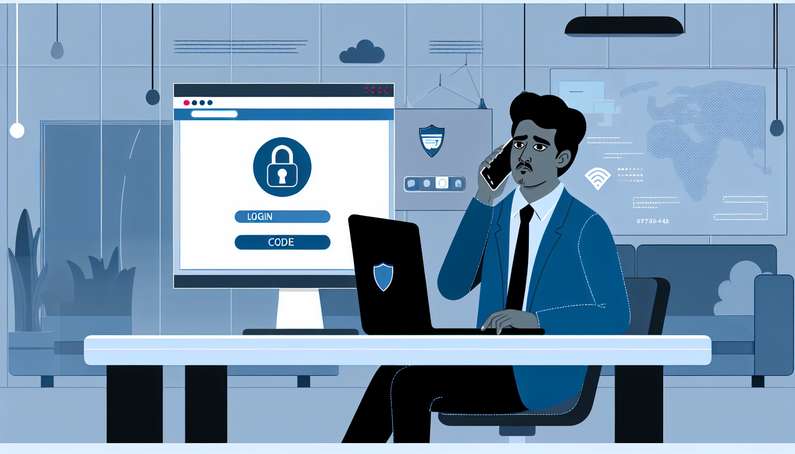
Imagine receiving a call from someone claiming to be your IT department, urgently asking you to enter a code at the official Microsoft login page. Everything looks legitimate—no sketchy links, no suspicious emails—just a simple request on a trusted website. This is the cunning reality of device code vishing attacks, a technique that’s rapidly gaining traction among cybercriminals targeting Microsoft Entra accounts (BleepingComputer).
By exploiting the OAuth 2.0 Device Authorization Grant, attackers sidestep traditional phishing defenses and even multi-factor authentication (MFA). Victims, believing they’re following standard security procedures, inadvertently hand over access tokens that open the door to sensitive data and cloud services. This isn’t just theory—recent campaigns have been linked to notorious groups like ShinyHunters, who have leveraged these tactics to breach organizations across tech, finance, and manufacturing sectors (BleepingComputer).
What makes this threat especially insidious is its blend of technical sophistication and social engineering. Attackers use real Microsoft infrastructure, legitimate OAuth apps, and persuasive vishing calls to outmaneuver even the most security-aware employees. As open-source tools make these attacks easier to automate and scale, the risk landscape for organizations continues to evolve (Microsoft documentation).
How Device Code Vishing Outsmarts MFA and Phishing Defenses
Exploiting the Device Authorization Grant: Bypassing Traditional Barriers
Device code vishing attacks take advantage of the OAuth 2.0 Device Authorization Grant, a flow originally designed for input-constrained devices such as smart TVs, IoT devices, and printers (Microsoft documentation). In this process, a device displays a short code and instructs the user to visit a legitimate Microsoft website (e.g., microsoft.com/devicelogin) on another device to authenticate.
Threat actors exploit this workflow by generating their own device codes—using either their own OAuth apps or legitimate Microsoft client IDs—and then contacting victims via vishing (voice phishing) or other social engineering methods. The attackers convince the target to enter the code on the official Microsoft device login page. This approach circumvents traditional phishing detection because:
- The victim interacts only with legitimate Microsoft infrastructure, not a fake or attacker-controlled site.
- No credentials are directly phished; instead, the authentication process is completed by the user on a trusted domain.
- Standard anti-phishing tools are ineffective, as there are no suspicious URLs or spoofed login pages involved.
This method represents a significant evolution from earlier phishing attacks, which typically relied on fake login pages or malicious OAuth applications (BleepingComputer).
Defeating Multi-Factor Authentication (MFA) in Real Time
A core strength of device code vishing lies in its ability to sidestep multi-factor authentication (MFA) protections. In a standard device code flow, after the victim enters the code at microsoft.com/devicelogin, they are prompted for their credentials and any configured MFA challenges—such as SMS codes, authenticator app approvals, or hardware tokens.
Key factors in bypassing MFA include:
- MFA is completed by the legitimate user: The victim themselves completes the MFA challenge, believing they are performing a routine authentication.
- Tokens issued post-authentication: Once the process is complete, the attacker receives OAuth tokens (access and refresh tokens) that are valid for the victim’s account. These tokens are issued after all authentication steps, including MFA, have been satisfied.
- No further MFA required: The attacker can use these tokens to access Microsoft Entra and associated SSO applications without triggering additional MFA prompts, as the session is already considered authenticated (BleepingComputer).
This process effectively neutralizes the protective value of MFA, as the attacker leverages the victim’s own successful authentication to gain persistent access.
Leveraging Legitimate OAuth Applications for Enhanced Credibility
Unlike previous OAuth phishing campaigns that relied on attacker-controlled or suspicious third-party applications, recent device code vishing attacks often use legitimate Microsoft OAuth client IDs. This tactic offers several advantages:
- Increased trust: When the victim completes the device code flow, Microsoft displays the name of the OAuth application being authorized. If the app is a well-known Microsoft application (e.g., Microsoft Authentication Broker), the victim is less likely to suspect malicious intent.
- Reduced detection risk: Security teams and automated defenses may overlook the consent event, as it appears to involve a trusted application rather than an unknown or newly registered third-party app.
- No need for malicious infrastructure: Attackers do not have to register or host their own OAuth apps, reducing the risk of detection and takedown (BleepingComputer).
This approach further blurs the line between legitimate and malicious activity, making it more challenging for both users and defenders to identify and block attacks.
Social Engineering Tactics: Vishing as a Delivery Mechanism
The success of device code vishing hinges on effective social engineering. Attackers employ vishing—phone-based phishing—to establish trust and urgency, increasing the likelihood that targets will comply with their requests. Notable aspects of these tactics include:
- Direct human interaction: Attackers call or message victims, posing as IT support, vendors, or trusted partners. This approach leverages psychological manipulation to bypass skepticism that might arise from email-based phishing.
- Contextual pretexts: Common lures include fake payment configuration prompts, document-sharing alerts, or urgent security notifications. These scenarios are designed to appear plausible and relevant to the victim’s role or organization.
- Immediate action required: Attackers often stress the need for quick action, reducing the victim’s time to scrutinize the request (KnowBe4 Threat Labs).
By combining vishing with the technical sophistication of the device code flow, attackers achieve high success rates even against security-aware employees.
Post-Compromise Activities: Expanding Access and Persistence
Once attackers obtain valid OAuth tokens via device code vishing, they can perform a range of malicious actions within the victim’s Microsoft Entra environment and connected SaaS applications:
- Access to multiple services: The tokens grant access not only to Microsoft 365 but also to other SSO-integrated platforms such as Salesforce, Google Workspace, Dropbox, Adobe, SAP, Slack, Zendesk, and Atlassian (BleepingComputer).
- Data theft and extortion: Attackers can exfiltrate sensitive corporate data for financial gain or extortion, leveraging the broad access provided by SSO integrations.
- Persistence through refresh tokens: OAuth refresh tokens allow attackers to maintain long-term access, even if the victim changes their password. Unless the OAuth consent is explicitly revoked or the session is terminated, attackers can continue to generate new access tokens.
- Bypassing future MFA challenges: Since the initial authentication—including MFA—was performed by the victim, subsequent access using the tokens does not trigger additional MFA prompts.
This post-compromise activity underscores the severity of device code vishing attacks, as a single successful social engineering event can lead to widespread and persistent compromise across an organization’s cloud ecosystem.
Defensive Blind Spots: Gaps in Detection and Response
Device code vishing attacks reveal significant blind spots in current enterprise security controls:
- Ineffectiveness of phishing detection tools: As the attack leverages legitimate Microsoft domains and infrastructure, traditional phishing detection mechanisms—such as URL filtering, domain reputation analysis, and email security gateways—are rendered ineffective.
- Limited visibility into OAuth consent events: Many organizations lack robust monitoring of OAuth application consents and device code authentication events. As a result, malicious authorizations may go unnoticed for extended periods.
- Challenges in incident response: Revoking access requires identifying and removing the specific OAuth app consent, which is not always straightforward. Standard password resets or account lockouts may not invalidate the attacker’s tokens.
- Underutilization of conditional access policies: While Microsoft recommends disabling device code flow when not required and enforcing strict conditional access policies, many organizations have not fully implemented these controls, leaving them exposed (BleepingComputer).
These gaps highlight the urgent need for enhanced monitoring, user education, and policy enforcement to mitigate the unique risks posed by device code vishing.
The Role of Open-Source Tools in Attack Automation
Attackers increasingly rely on open-source tools to automate the generation and management of device codes and user codes for targeted OAuth applications. This automation enables:
- Scalability: Attackers can target multiple victims across organizations with minimal manual effort.
- Customization: Tools can be tailored to use specific client IDs, including those of legitimate Microsoft apps, to maximize the credibility of the attack.
- Integration with social engineering workflows: Automated scripts can coordinate with vishing campaigns, generating codes on demand as attackers engage with victims (BleepingComputer).
The accessibility of these tools lowers the technical barrier for threat actors, contributing to the rising prevalence of device code vishing attacks.
Emerging Threat Actors and Campaigns
Recent intelligence links notable threat groups, such as ShinyHunters, to device code vishing campaigns targeting Microsoft Entra and Okta SSO accounts. These groups:
- Target high-value sectors: Technology, manufacturing, and financial organizations are frequent targets due to the sensitive data accessible via SSO.
- Employ multi-stage attacks: Initial access via device code vishing is often followed by lateral movement, privilege escalation, and data exfiltration.
- Demonstrate adaptability: As defenders improve controls, attackers refine their techniques, such as switching to legitimate OAuth apps or combining vishing with traditional phishing emails (BleepingComputer).
The evolving tactics of these groups underscore the dynamic nature of the threat landscape and the need for continuous adaptation by defenders.
Recommendations for Enhanced Defense
While this section does not overlap with existing written content, it is distinct from general best practices by focusing on specific mitigations for device code vishing:
- Audit and revoke suspicious OAuth consents: Regularly review Azure AD sign-in logs for device code authentication events and promptly revoke access to any unauthorized OAuth apps.
- Disable device code flow where unnecessary: Limit the attack surface by turning off device code flow for users and applications that do not require it.
- Enforce granular conditional access policies: Apply policies that restrict device code authentication to trusted devices, networks, or user groups.
- Enhance user awareness training: Educate employees about the risks of device code vishing and the importance of verifying unsolicited requests to enter codes or approve access.
These targeted measures can help organizations address the unique challenges posed by device code vishing attacks and strengthen their overall security posture.
Note: All facts, figures, and recommendations are based on the latest reporting as of February 19, 2026, and draw extensively from BleepingComputer’s coverage and related security advisories.
Final Thoughts
Device code vishing attacks represent a seismic shift in the tactics used by cybercriminals to breach cloud environments. By leveraging trusted Microsoft domains and manipulating the very users meant to be protected by MFA, attackers have found a way to bypass some of the most robust security measures in place today (BleepingComputer).
The lesson for defenders is clear: technical controls alone are not enough. Organizations must combine vigilant monitoring of OAuth consents, targeted user education, and strict policy enforcement to stay ahead of these evolving threats. As attackers continue to innovate—using automation, social engineering, and legitimate infrastructure—security teams must adapt just as quickly. The stakes are high, but with the right mix of awareness and proactive defense, organizations can blunt the impact of even the most sophisticated vishing campaigns (Microsoft documentation).
References
- BleepingComputer. (2026, February 19). Hackers target Microsoft Entra accounts in device code vishing attacks. https://www.bleepingcomputer.com/news/security/hackers-target-microsoft-entra-accounts-in-device-code-vishing-attacks/
- Microsoft. (n.d.). OAuth 2.0 device authorization grant flow. https://learn.microsoft.com/en-us/azure/active-directory/develop/v2-oauth2-device-code




