
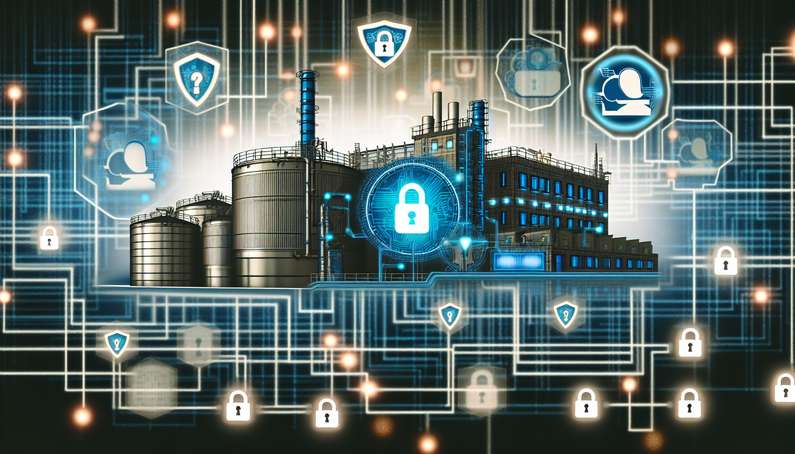
Cybersecurity Threats and Resilience in the Beverage Industry: Lessons from the Asahi Ransomware Attack

When ransomware hit Japanese beer giant Asahi, the impact rippled far beyond a single company—factories halted, supply chains staggered, and sensitive data was compromised. This incident is a stark reminder that the beverage industry, with its intricate networks and valuable intellectual property, is now firmly in the crosshairs of cybercriminals. The financial stakes are staggering: global ransomware damages are projected to soar to $20 billion by 2025, up from just $325 million a decade ago (Cybersecurity Ventures).
The Asahi attack exposed how vulnerabilities in sprawling supply chains can be exploited, especially when smaller partners lack robust defenses (Accenture). Beyond operational chaos, the theft of proprietary brewing techniques or confidential business strategies can inflict lasting damage (Ponemon Institute). Navigating this threat landscape is further complicated by evolving regulations, with non-compliance carrying hefty penalties (Deloitte).
To stay ahead, beverage companies are turning to advanced technologies like AI for real-time threat detection (Forrester), while industry-wide collaboration and information sharing are becoming essential defenses (National Cyber Security Centre). As consumer trust hangs in the balance—87% of customers say they’ll walk away from brands that mishandle data (PwC)—the stakes for getting cybersecurity right have never been higher.
Cybersecurity Threats in the Beverage Industry
Rising Incidents of Ransomware Attacks
The beverage industry, like many other sectors, has seen a significant rise in ransomware attacks in recent years. These attacks often target large corporations due to their extensive networks and the potential for substantial financial gain. According to a report by Cybersecurity Ventures, global ransomware damages are expected to reach $20 billion by 2025, a stark increase from $325 million in 2015. This trend highlights the increasing sophistication and frequency of cyberattacks, making it imperative for companies in the beverage industry to bolster their cybersecurity measures.
Vulnerabilities in the Supply Chain
The beverage industry’s supply chain is a complex network involving multiple stakeholders, including suppliers, manufacturers, distributors, and retailers. This complexity creates numerous entry points for cybercriminals. A study by Accenture found that 43% of cyberattacks target small businesses, which are often part of larger supply chains and may have weaker security measures. This vulnerability can lead to significant disruptions, as seen in the Asahi ransomware attack, where IT disruptions forced the shutdown of factories, impacting production and distribution.
Data Theft and Intellectual Property Risks
In addition to operational disruptions, ransomware attacks often involve data theft, posing a significant risk to intellectual property and sensitive information. The Asahi attack, for instance, involved data theft from compromised devices, which could include proprietary brewing techniques or confidential business strategies. According to a Ponemon Institute report, the average cost of a data breach in 2025 is projected to exceed $4 million, emphasizing the financial and reputational damage that can result from such incidents.
Regulatory and Compliance Challenges
The beverage industry must navigate a complex landscape of regulatory and compliance requirements, which can be further complicated by cybersecurity threats. Regulations such as the General Data Protection Regulation (GDPR) in Europe and the California Consumer Privacy Act (CCPA) in the United States impose strict guidelines on data protection and breach notifications. Non-compliance can result in hefty fines and legal repercussions. As highlighted by Deloitte, companies must ensure that their cybersecurity strategies align with these regulations to mitigate risks and avoid penalties.
Strategies for Enhancing Cybersecurity
To combat the growing threat of ransomware and other cyberattacks, beverage companies must adopt comprehensive cybersecurity strategies. This includes implementing robust security measures such as multi-factor authentication, regular security audits, and employee training programs. A Gartner report suggests that by 2025, 60% of organizations will use cybersecurity risk as a primary determinant in conducting third-party transactions and business engagements. This proactive approach can help companies identify potential vulnerabilities and strengthen their defenses against cyber threats.
Role of Technology in Mitigating Risks
Advancements in technology, such as artificial intelligence (AI) and machine learning, offer new opportunities for enhancing cybersecurity in the beverage industry. AI-powered tools can detect anomalies and potential threats in real-time, enabling companies to respond swiftly to cyber incidents. According to Forrester, the use of AI in cybersecurity is expected to grow significantly, with 40% of security operations centers utilizing AI technologies by 2025. This technological integration can provide beverage companies with a competitive edge in safeguarding their operations and data.
Collaborative Efforts and Information Sharing
Collaboration and information sharing among industry stakeholders are crucial in combating cybersecurity threats. Initiatives such as the Information Sharing and Analysis Centers (ISACs) facilitate the exchange of threat intelligence and best practices among companies within the same sector. The National Cyber Security Centre emphasizes the importance of these collaborative efforts in enhancing the overall resilience of industries against cyberattacks. By participating in such initiatives, beverage companies can stay informed about emerging threats and strengthen their collective defenses.
Impact on Consumer Trust and Brand Reputation
Cybersecurity incidents can have a profound impact on consumer trust and brand reputation. In the event of a data breach or operational disruption, companies may face backlash from consumers concerned about the security of their personal information. A survey by PwC found that 87% of consumers are willing to take their business elsewhere if they do not trust a company to handle their data responsibly. Therefore, maintaining robust cybersecurity measures is not only essential for operational continuity but also for preserving customer loyalty and brand integrity.
Future Outlook and Industry Preparedness
As the beverage industry continues to evolve, so too will the nature of cybersecurity threats. Companies must remain vigilant and adaptive to emerging risks, investing in advanced technologies and fostering a culture of cybersecurity awareness. The World Economic Forum predicts that cyber resilience will become a key competitive differentiator in the coming years, with organizations that prioritize cybersecurity poised to thrive in an increasingly digital landscape. By proactively addressing cybersecurity challenges, the beverage industry can safeguard its operations and ensure long-term success in a rapidly changing environment.
Final Thoughts
The Asahi ransomware attack is more than a cautionary tale—it’s a wake-up call for the entire beverage industry. With cyber threats growing in sophistication and frequency, companies must prioritize not just technical defenses but also strategic partnerships and a culture of vigilance. Embracing AI-driven security, fostering collaboration through initiatives like ISACs, and aligning with evolving regulations are no longer optional—they’re essential for survival and success (Gartner; World Economic Forum).
Ultimately, safeguarding operations and consumer trust requires a holistic approach. By investing in robust cybersecurity measures and staying agile in the face of emerging threats, beverage companies can protect their brands, their customers, and their future in an increasingly digital world.
References
- Cybersecurity Ventures. (2021). Cybercrime damages $6 trillion by 2021. https://cybersecurityventures.com/cybercrime-damages-6-trillion-by-2021/
- Accenture. (2024). Cybersecurity Index. https://www.accenture.com/us-en/insights/cybersecurity-index
- Ponemon Institute. (2025). Cost of a Data Breach Report. https://www.ponemon.org/
- Deloitte. (2024). Cyber risk in consumer products. https://www2.deloitte.com/us/en/pages/risk/articles/cyber-risk-in-consumer-products.html
- Gartner. (2025). Cybersecurity risk as a determinant in business engagements. https://www.gartner.com/en
- Forrester. (2025). AI in cybersecurity operations. https://go.forrester.com/research/
- National Cyber Security Centre. (2024). Information sharing and analysis. https://www.ncsc.gov.uk/
- PwC. (2024). Consumer trust and data responsibility survey. https://www.pwc.com/
- World Economic Forum. (2025). Cyber resilience as a competitive differentiator. https://www.weforum.org/




