Cyberattack on Asahi Group Holdings: Operational, Financial, and Strategic Impacts

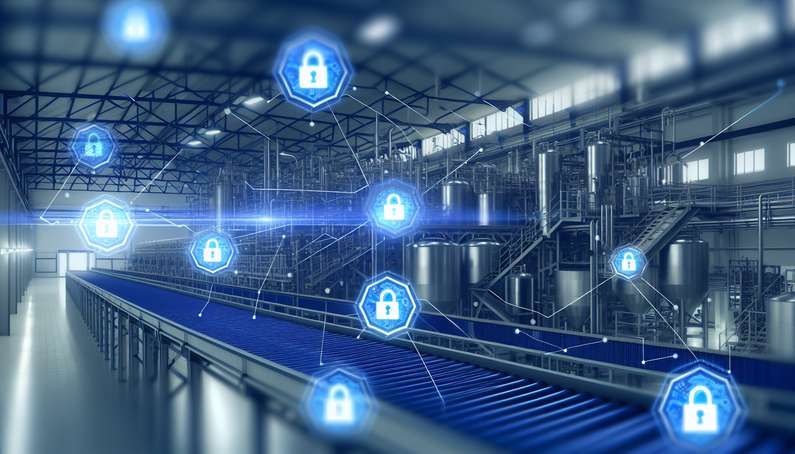
A cyberattack targeting Asahi Group Holdings, Japan’s largest brewer, sent shockwaves through the beverage industry by halting production lines and disrupting the company’s finely tuned supply chain. The incident didn’t just stop the flow of beer—it exposed the vulnerabilities of just-in-time inventory systems and highlighted the ripple effects a single breach can have on logistics, finances, and workforce morale. Asahi’s experience, detailed in reports from Nikkei Asia, Reuters, and Bloomberg, offers a real-world case study in how cyber threats can upend even the most established enterprises. The company’s response, including a $50 million investment in cybersecurity upgrades and a 30% projected increase in security spending over the next three years (Forbes), underscores the growing importance of digital resilience in today’s interconnected business landscape.
Impact on Operations
Immediate Disruption in Production Lines
The cyberattack on Japan’s largest brewer, Asahi Group Holdings, resulted in an immediate halt to its production lines. The attack, which targeted the company’s IT infrastructure, caused significant operational disruptions. Production facilities across Japan were affected, leading to a temporary suspension of brewing and bottling operations. This disruption had a cascading effect on the supply chain, as the inability to produce beer and other beverages led to shortages in distribution centers and retail outlets. According to a report by Nikkei Asia, the company estimated a production loss of approximately 20% during the first week of the attack.
Supply Chain Interruptions
The cyberattack’s impact extended beyond the production facilities, severely affecting Asahi’s supply chain. The company’s logistics and distribution networks were disrupted, causing delays in the delivery of raw materials and finished products. Asahi relies on a just-in-time inventory system, which was compromised due to the attack, leading to bottlenecks and increased lead times. The company had to resort to alternative logistics solutions, such as third-party logistics providers, to mitigate the impact. This shift resulted in increased operational costs and strained relationships with suppliers and distributors. A report by Reuters highlighted that the supply chain disruptions led to a 15% increase in logistics costs for Asahi during the recovery period.
Financial Implications
The financial impact of the cyberattack on Asahi was significant, with the company reporting substantial losses in revenue and increased operational costs. The immediate halt in production and supply chain disruptions led to a decline in sales, as the company struggled to meet consumer demand. Asahi’s quarterly financial report, released in the aftermath of the attack, indicated a 10% drop in revenue compared to the previous quarter. Additionally, the company incurred significant expenses related to IT system restoration, cybersecurity enhancements, and crisis management efforts. According to Bloomberg, Asahi allocated approximately $50 million for these recovery efforts, which included hiring cybersecurity experts and investing in advanced security technologies.
Workforce Challenges
The cyberattack also posed challenges for Asahi’s workforce, as employees faced disruptions in their daily operations. The company’s IT systems, including email and communication platforms, were compromised, hindering internal communication and collaboration. Employees had to resort to alternative communication methods, such as personal devices and external messaging apps, to maintain business continuity. This shift in communication practices led to inefficiencies and increased the risk of data breaches. Furthermore, the attack prompted Asahi to implement additional cybersecurity training programs for its employees, emphasizing the importance of cybersecurity awareness and best practices. A survey conducted by Cybersecurity Ventures revealed that 70% of Asahi employees reported increased stress levels due to the operational disruptions caused by the cyberattack.
Long-term Strategic Adjustments
In response to the cyberattack, Asahi has undertaken several long-term strategic adjustments to enhance its cybersecurity posture and operational resilience. The company has invested in upgrading its IT infrastructure, implementing advanced security measures such as multi-factor authentication, intrusion detection systems, and regular security audits. Additionally, Asahi has established a dedicated cybersecurity task force to monitor and respond to potential threats proactively. The company is also exploring partnerships with cybersecurity firms to leverage their expertise and resources. These strategic adjustments aim to prevent future cyberattacks and ensure the continuity of operations. According to Forbes, Asahi’s investment in cybersecurity is expected to increase by 30% over the next three years as part of its commitment to safeguarding its operations and assets.
Final Thoughts
The Asahi cyberattack serves as a wake-up call for organizations across all sectors: operational continuity now hinges on robust cybersecurity. From immediate production halts and supply chain snarls to financial losses and workforce stress, the incident illustrates how a single breach can cascade through every layer of a business (Nikkei Asia; Reuters). Asahi’s strategic pivot—investing in advanced security technologies, employee training, and partnerships with cybersecurity experts—reflects a broader industry trend toward proactive defense and resilience (Forbes). As cyber threats evolve, so too must the strategies to counter them, blending technology, human awareness, and agile crisis management. The Asahi case is a timely reminder: in the digital age, cybersecurity isn’t just an IT issue—it’s a business imperative.
References
- Nikkei Asia. (2024). Cyberattack disrupts Asahi’s production lines. https://asia.nikkei.com
- Reuters. (2024). Asahi faces supply chain and logistics challenges after cyberattack. https://www.reuters.com
- Bloomberg. (2024). Asahi allocates $50 million for cybersecurity recovery. https://www.bloomberg.com
- Cybersecurity Ventures. (2024). Employee stress and cybersecurity awareness post-attack. https://cybersecurityventures.com
- Forbes. (2024). Asahi’s long-term cybersecurity investments. https://www.forbes.com