
ATM Jackpotting: How Physical and Digital Weaknesses Fueled a $20 Million Crime Wave

Picture a team of cybercriminals cracking open an ATM with a generic key, swapping out its hard drive, and walking away minutes later with thousands in cash—no cards, no PINs, just malware and nerve. This is the reality of ATM jackpotting, a crime wave that surged in 2025, costing U.S. banks over $20 million and leaving security teams scrambling for answers (BleepingComputer).
The attacks blend old-school physical break-ins with cutting-edge malware like Ploutus, which hijacks the ATM’s XFS software layer to spit out cash on command. With more than 700 incidents reported in a single year, these heists are fast, coordinated, and devastatingly effective. The vulnerabilities aren’t just digital—many ATMs are protected by locks that can be opened with keys anyone can buy online, making them easy targets for organized crime. As financial institutions race to audit their machines and shore up defenses, the lessons from this crime spree are reshaping how we think about physical and digital security in the age of smart banking (BleepingComputer).
How ATM Jackpotting Works: The Tech, Tactics, and Trouble Behind the Heists
Anatomy of an ATM Jackpotting Attack
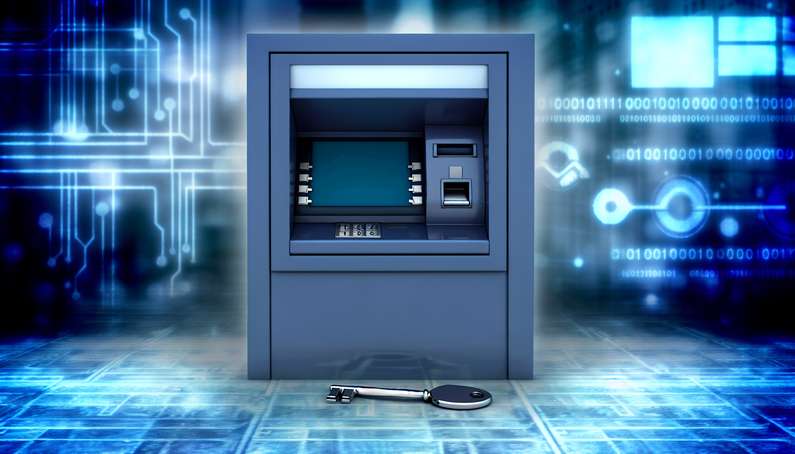
ATM jackpotting is a sophisticated cybercrime technique that leverages both physical and digital vulnerabilities in automated teller machines (ATMs). The process typically begins with perpetrators gaining physical access to the ATM. Attackers often use generic, widely available keys to unlock the machine’s casing. Once inside, they can access the internal hardware, particularly the hard drive, which is crucial for the next phase of the attack (BleepingComputer).
The attackers then remove the ATM’s hard drive and either install malware directly onto it or swap it out with a pre-infected drive. This physical manipulation is critical because it allows the attackers to bypass many network-based security controls that monitor for remote intrusions. By operating at the hardware level, the malware is introduced in a way that is difficult for traditional cybersecurity tools to detect.
Once the malware is installed, the ATM is reassembled and powered on. The malicious software then takes control of the ATM’s core functions, particularly those that manage cash dispensing. This enables the criminals to issue commands that force the ATM to release cash on demand, a process known as “jackpotting.” The entire operation can be completed in a matter of minutes, allowing the perpetrators to escape before the theft is discovered.
The Role of Ploutus Malware and XFS Exploitation
A central component of recent jackpotting attacks is the use of Ploutus malware, a sophisticated program specifically designed to exploit ATMs. Ploutus targets the eXtensions for Financial Services (XFS) software layer, which acts as the intermediary between the ATM’s application software and its physical hardware components (BleepingComputer).
Under normal circumstances, when a customer initiates a transaction, the ATM application communicates with the bank’s backend systems via XFS to request authorization before dispensing cash. Ploutus, however, subverts this process by injecting its own commands directly into the XFS layer. This allows the malware to instruct the ATM to dispense cash without any bank authorization, customer account, or even a bank card. The malware essentially gives attackers full control over the ATM’s cash dispensing mechanism, rendering traditional authentication and verification processes irrelevant.
This direct manipulation of the XFS layer is particularly dangerous because it operates at a low level within the ATM’s software stack, making detection and prevention challenging. Financial institutions may not be aware of the compromise until after significant losses have occurred.
Physical Security Weaknesses and Attack Vectors
A critical enabler of ATM jackpotting is the lack of robust physical security on many ATM units. Attackers frequently exploit the use of generic keys that are widely available online or through industry suppliers. These keys are intended for use by service technicians but are often not unique to individual machines or institutions, making unauthorized access relatively straightforward (BleepingComputer).
Once inside the ATM, criminals can access the hard drive, USB ports, and other critical components. Some attacks involve connecting removable storage devices such as USB sticks or external hard drives to install malware. In other cases, the attackers may replace the ATM’s hard drive entirely with one that has been preloaded with malicious software. These tactics allow for rapid deployment of malware and minimize the time spent at the crime scene.
The physical vulnerabilities are compounded by the fact that many ATMs are located in areas with limited surveillance or are left unattended for extended periods. This provides attackers with the opportunity to carry out their operations without immediate risk of detection.
Operational Tactics: Speed, Stealth, and Coordination
ATM jackpotting operations are characterized by their speed and stealth. According to the FBI, more than 700 jackpotting incidents were reported in the United States in 2025 alone, representing a significant increase compared to previous years (BleepingComputer). The rapid execution of these attacks is a key factor in their success.
Attackers typically work in teams, with each member assigned a specific role. One individual may serve as a lookout, while another handles the physical breach of the ATM. A third team member may be responsible for operating the malware and collecting the dispensed cash. This division of labor allows the group to complete the attack in a matter of minutes, reducing the likelihood of intervention by law enforcement or security personnel.
The use of preloaded hard drives and removable storage devices enables attackers to minimize their exposure at the crime scene. By preparing the malicious components in advance, they can quickly swap them into the ATM and initiate the jackpotting process. Once the cash is dispensed, the team can leave the area before the theft is detected.
In some cases, criminal organizations have been known to coordinate multiple attacks simultaneously across different locations. This tactic overwhelms law enforcement resources and increases the overall amount of cash stolen before countermeasures can be implemented.
The Aftermath: Detection Challenges and Financial Impact
One of the most troubling aspects of ATM jackpotting is the difficulty in detecting these attacks before significant losses occur. The FBI notes that most incidents go undetected by financial institutions and ATM operators until after the cash has been stolen (BleepingComputer). This is largely due to the fact that the malware operates at the hardware and software levels, bypassing standard transaction monitoring systems.
Traditional security measures, such as network-based intrusion detection and transaction analytics, are often ineffective against jackpotting attacks because the malicious activity does not involve unauthorized access to customer accounts or abnormal transaction patterns. Instead, the malware issues commands directly to the ATM’s hardware, making the theft appear as a legitimate operation from the perspective of the bank’s backend systems.
The financial impact of these attacks is substantial. In 2025 alone, over $20 million was stolen in the United States as a result of ATM jackpotting incidents. This figure represents not only direct losses from stolen cash but also the costs associated with investigating the attacks, repairing compromised ATMs, and implementing additional security measures.
To address these challenges, the FBI has recommended that financial institutions audit their ATM systems for signs of unauthorized removable storage use and unauthorized processes. The agency also advises the use of gold image integrity validation, which involves comparing the current state of an ATM’s software and hardware against a known, trusted baseline. This approach can help identify signs of physical intrusion and malware staging that might otherwise go undetected by traditional monitoring tools.
The surge in ATM jackpotting attacks underscores the need for a multifaceted security strategy that addresses both physical and digital vulnerabilities. As criminals continue to refine their tactics, financial institutions must remain vigilant and proactive in their efforts to protect their assets and customers from this evolving threat.
Final Thoughts
ATM jackpotting in 2025 wasn’t just a wake-up call—it was a blaring alarm for banks, ATM manufacturers, and cybersecurity professionals alike. The blend of physical vulnerabilities and sophisticated malware like Ploutus proved that even the most familiar machines can become high-tech targets (BleepingComputer).
The FBI’s recommendations—ranging from auditing for unauthorized storage devices to validating ATM software integrity—highlight the need for a layered, proactive approach. As criminals continue to innovate, so must defenders, combining robust physical security with vigilant digital monitoring. The surge in jackpotting attacks is a stark reminder: in cybersecurity, complacency is costly, and the next big threat might be lurking inside the machines we trust every day.
References
- FBI: Over $20 Million Stolen in Surge of ATM Malware Attacks in 2025, 2025, BleepingComputer https://www.bleepingcomputer.com/news/security/fbi-over-20-million-stolen-in-surge-of-atm-malware-attacks-in-2025/




