
Anatomy of the Askul Ransomware Breach: Lessons in Third-Party Risk and Modern Cyber Defense

A single missing security step—multi-factor authentication (MFA)—on an outsourced partner’s administrator account opened the door to one of Japan’s largest ransomware breaches in 2025. Askul, a major e-commerce and logistics provider, found itself at the center of a sophisticated attack orchestrated by the RansomHouse group, resulting in the theft of 740,000 customer records and a cascade of operational chaos. The attackers didn’t just slip in; they systematically disabled security tools, moved laterally across networks, and deployed multiple ransomware variants to maximize disruption and evade detection. Their tactics included wiping backups and leveraging double-extortion, threatening to leak sensitive data unless a ransom was paid (BleepingComputer).
This breach is a stark reminder that even the most robust organizations can be undone by overlooked basics—especially when third-party access is involved. The Askul incident not only disrupted business operations and delayed shipments for major clients like Muji, but also forced a reckoning with identity and access management (IAM) practices, regulatory compliance, and the evolving sophistication of ransomware threats (BleepingComputer).
How Ransomware Slipped Past Defenses: The Anatomy of the Askul Breach
Initial Access: Exploiting Outsourced Partner Credentials
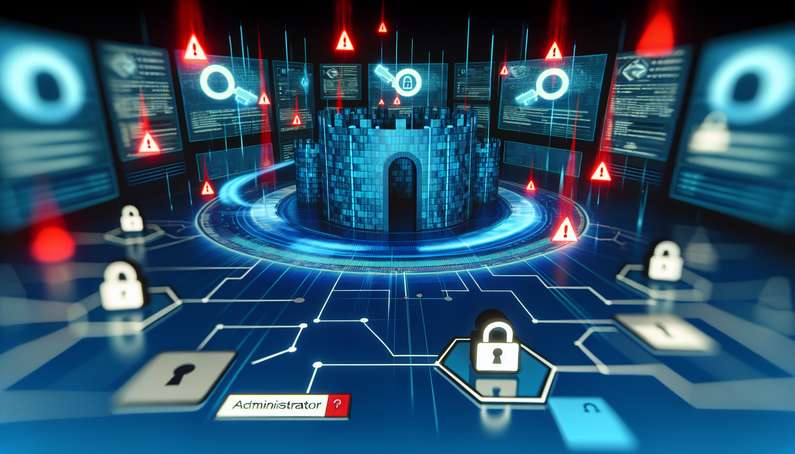
The RansomHouse attack on Askul began with the exploitation of authentication credentials belonging to an outsourced partner’s administrator account. This account was notably lacking multi-factor authentication (MFA), providing a critical vulnerability for the attackers to exploit. The absence of MFA on such a high-privilege account allowed the threat actors to bypass a fundamental security barrier, gaining a foothold in Askul’s network without triggering additional verification steps (BleepingComputer).
Once inside, the attackers initiated reconnaissance activities, mapping the network and seeking additional authentication information. This phase enabled lateral movement and the identification of further targets within the infrastructure. The attackers’ ability to leverage a single compromised account underscores the risks associated with third-party access and highlights the importance of robust identity and access management (IAM) controls, especially for external partners.
Disabling Security Controls and Evasion Techniques
After achieving initial access, the attackers systematically disabled endpoint detection and response (EDR) software and other vulnerability countermeasure tools. This deliberate action was designed to blind the organization’s security monitoring capabilities, reducing the likelihood of early detection. The attackers’ tactics included not only disabling security software but also deploying multiple ransomware variants, some of which were able to evade updated EDR signatures at the time of the incident (BleepingComputer).
The use of multiple ransomware strains demonstrates a sophisticated approach to defense evasion. By utilizing variants with different signatures and behaviors, the attackers increased their chances of bypassing signature-based detection mechanisms. This multi-pronged strategy reflects an evolving threat landscape where adversaries are prepared to counteract layered security defenses and exploit gaps in endpoint protection.
Lateral Movement and Privilege Escalation
With security controls neutralized, the attackers proceeded to move laterally across Askul’s network. This involved accessing multiple servers and systematically collecting authentication information to escalate privileges. The attackers’ ability to traverse the network and acquire elevated access points to a lack of network segmentation and insufficient monitoring of privileged account activities.
Privilege escalation was a critical step in the attack chain, enabling the deployment of ransomware payloads across a broad swath of the organization’s infrastructure. The attackers’ movement between servers and acquisition of necessary privileges facilitated the simultaneous execution of malicious code, amplifying the impact of the breach. This stage of the attack highlights the importance of continuous monitoring, least-privilege access policies, and rapid detection of anomalous account behavior.
Coordinated Ransomware Deployment and Data Encryption
The culmination of the attackers’ efforts was the coordinated deployment of ransomware payloads across multiple servers. This simultaneous execution was designed to maximize disruption, resulting in widespread data encryption and system failures. The attackers also targeted backup files, wiping them to prevent straightforward recovery and increase leverage for extortion (BleepingComputer).
The attack’s orchestration indicates a high level of planning and operational discipline. By encrypting data and disabling backups at the same time, the attackers ensured that Askul would face significant challenges in restoring operations. The effectiveness of this approach is evidenced by the prolonged disruption to order shipping and ongoing system restoration efforts as of December 15, 2025.
Post-Incident Response and Security Gaps
In the aftermath of the breach, Askul implemented a series of emergency measures to contain the attack and prevent further damage. These included physically disconnecting infected networks, isolating affected devices, updating EDR signatures, and applying MFA to all key systems. All administrator account passwords were reset as part of the remediation process (BleepingComputer).
Despite these efforts, the breach exposed significant security gaps, particularly in the areas of third-party access management, endpoint protection, and backup resilience. The lack of MFA on critical accounts, insufficient segmentation, and reliance on signature-based detection contributed to the attackers’ success. The incident underscores the need for a holistic approach to cybersecurity that encompasses technical controls, policy enforcement, and continuous improvement based on evolving threat intelligence.
Data Exfiltration and Double-Extortion Tactics
Beyond system disruption, the attackers engaged in extensive data exfiltration, stealing approximately 740,000 customer records, including business customer service data (590,000 records), individual customer service data (132,000 records), business partner information (15,000 records), and details of executives and employees (2,700 records) (BleepingComputer). The stolen data was subsequently used as leverage in double-extortion tactics, with the RansomHouse group publishing data leaks on November 10 and December 2, following their initial disclosure of the breach on October 30.
The double-extortion model employed by RansomHouse involved both encrypting Askul’s data and threatening to release sensitive information unless a ransom was paid. This approach increases pressure on victims by combining operational disruption with the risk of reputational damage and regulatory scrutiny. The attackers’ publication of stolen data serves as a warning to other organizations and highlights the evolving nature of ransomware threats.
Impact on Business Operations and Recovery Challenges
The ransomware attack had a profound impact on Askul’s business operations, causing IT system failures and forcing the suspension of shipments to customers, including major clients such as Muji. The ongoing disruption to order shipping and the postponement of the company’s scheduled earnings report reflect the severity of the incident and the challenges associated with recovery (BleepingComputer).
Restoration efforts have been hampered by the extent of the damage, with the company still working to fully restore systems as of mid-December 2025. The attack has also necessitated long-term monitoring to prevent misuse of stolen information and compliance with notification requirements to affected customers, partners, and regulatory authorities.
Lessons Learned: The Role of Identity and Access Management
The Askul breach illustrates the critical importance of robust identity and access management (IAM) practices. The initial compromise of an outsourced partner’s administrator account, combined with the absence of MFA, provided an easy entry point for attackers. The incident demonstrates how broken IAM can have cascading effects across an organization, enabling attackers to bypass controls, escalate privileges, and deploy ransomware at scale (BleepingComputer).
Effective IAM strategies must address not only internal users but also third-party partners, ensuring that all privileged accounts are protected by strong authentication mechanisms. Regular audits, continuous monitoring, and the enforcement of least-privilege principles are essential components of a resilient security posture.
Evolving Threat Landscape and Defensive Recommendations
The tactics employed in the Askul breach reflect broader trends in the ransomware landscape, including the use of multiple malware variants, defense evasion techniques, and double-extortion strategies. Organizations must adapt to these evolving threats by implementing layered defenses, investing in advanced detection capabilities, and fostering a culture of security awareness.
Key recommendations for strengthening defenses include:
- Enforcing MFA on all privileged and third-party accounts.
- Implementing network segmentation to limit lateral movement.
- Regularly updating and testing EDR and other security controls.
- Conducting frequent backups and ensuring their resilience against tampering.
- Monitoring for anomalous account activity and privilege escalation attempts.
By addressing these areas, organizations can reduce their exposure to similar attacks and enhance their ability to detect and respond to sophisticated adversaries.
Regulatory and Compliance Considerations
The Askul breach triggered mandatory notifications to Japan’s Personal Information Protection Commission and the implementation of long-term monitoring to mitigate the risk of data misuse (BleepingComputer). The incident underscores the regulatory implications of data breaches, particularly in sectors handling large volumes of personal and business information.
Compliance with data protection laws requires timely notification of affected individuals and authorities, transparent communication, and demonstrable efforts to prevent future incidents. The financial and reputational consequences of non-compliance further emphasize the importance of proactive risk management and incident response planning.
Note: This report section is based on the latest available information as of December 15, 2025, and references data and findings from BleepingComputer.
Final Thoughts
The Askul ransomware attack is a textbook case of how modern cybercriminals exploit both technical and human vulnerabilities. From the initial compromise of an unprotected admin account to the disabling of security controls and the use of double-extortion tactics, the incident highlights the urgent need for organizations to rethink their approach to cybersecurity. Key lessons include enforcing MFA everywhere, especially for third-party and privileged accounts, investing in advanced endpoint protection, and ensuring that backups are both frequent and resilient to tampering (BleepingComputer).
As ransomware groups continue to innovate—deploying multiple malware variants and targeting backup systems—defenders must stay agile, combining technical controls with strong policies and continuous monitoring. The Askul breach serves as a wake-up call: cybersecurity isn’t just about technology, but about people, processes, and a relentless commitment to improvement. For organizations handling sensitive data, the stakes have never been higher, and the path forward demands vigilance, adaptability, and a willingness to learn from high-profile incidents like this one.
References
- BleepingComputer. (2025, December 15). Askul confirms theft of 740k customer records in RansomHouse attack. https://www.bleepingcomputer.com/news/security/askul-confirms-theft-of-740k-customer-records-in-ransomhouse-attack/




